
Pavonia humifusa
Pavonia humifusa
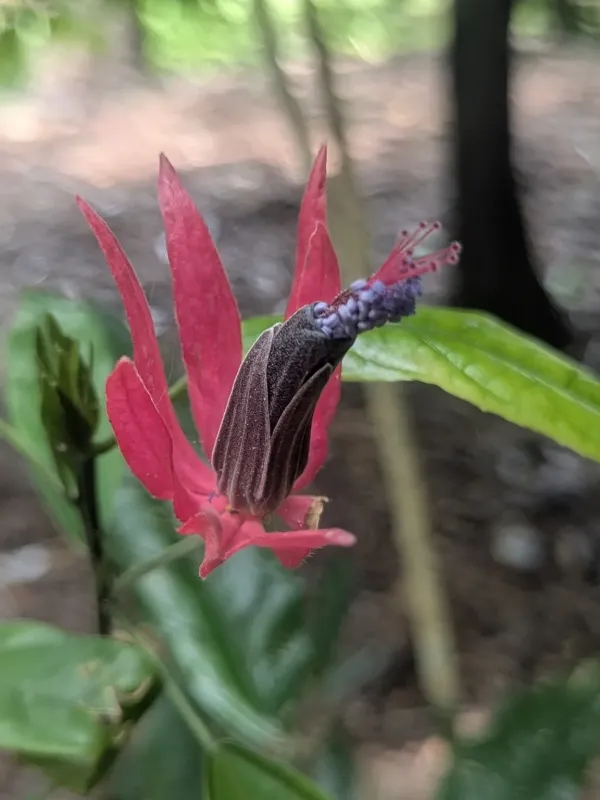
Description
Growing requirements
Pavonia humifusa is a unique species belonging to the Malvaceae family, native to the tropical and subtropical regions of South America, primarily within the Brazilian ecosystems.
Botanically, it is characterized by its prostrate habit, where the stems spread across the ground, making it an interesting candidate for groundcover in controlled environments.
This species requires well-draining, nutrient-rich soil that mimics the organic-heavy forest floor substrate, ensuring that moisture is available but never stagnant.
Climate requirements include a frost-free environment with high humidity levels, ideally keeping temperatures between 20°C and 25°C throughout the year for optimal growth.
Light management is essential; while the plant enjoys bright light, it is best to avoid intense direct sun, which can dehydrate the foliage and cause significant tissue damage.
Main diseases and pests
Common pests include spider mites and mealybugs, which thrive in indoor environments with low airflow and insufficient humidity, necessitating frequent inspection of leaf undersides.
Fungal issues, specifically root rot and Botrytis, are the primary threats to Pavonia humifusa, often caused by overwatering or soil compaction that restricts oxygen to the roots.