
Pavonia triloba
Pavonia triloba
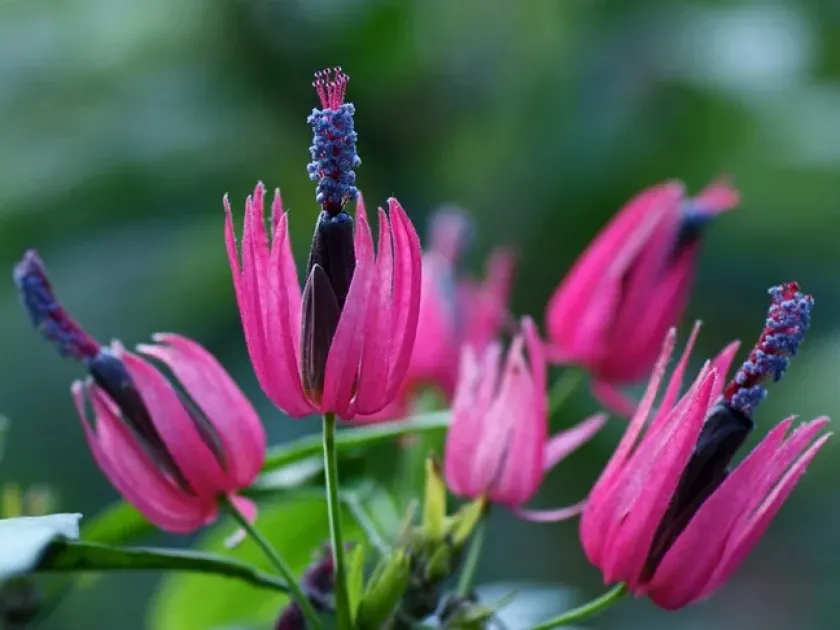
Description
Sowing dates
Pavonia triloba is a herbaceous perennial belonging to the Malvaceae family, native to tropical regions where it thrives under warm and humid conditions.
In a cultivation setting, seeds are sown during the late spring season after the soil temperature reaches a consistent level of at least 18 degrees Celsius.
The seeds should be planted in well-prepared, nutrient-rich soil at a depth of 1 to 2 centimeters to ensure successful germination and early establishment.
Maintaining consistent soil moisture is crucial during the initial three weeks to support the developing root system and prevent early stage seedling mortality.
Vegetative propagation via cuttings is a viable alternative to seeding, often preferred for maintaining uniformity in larger horticultural or agricultural production fields.
Growing requirements
This crop demands bright, indirect sunlight, as harsh direct sun exposure during peak afternoon hours can lead to leaf burn and reduced plant vigor.
The ideal soil profile for Pavonia triloba is fertile, loamy, and exhibits excellent drainage capacity, preventing the risks associated with waterlogged roots.
Temperature management is key; the plant performs best in a range of 20 to 25 degrees Celsius and requires protection from frost in non-tropical climates.
Fertilization should be applied balanced and regular during the growing season to ensure robust stem development and high-quality floral production.
Proper spacing between plants is recommended to encourage optimal airflow, which is critical in reducing the accumulation of humidity around the dense foliage.
Main diseases and pests
Root rot remains the most significant threat to the health of the plant, usually triggered by poor drainage systems or excessive irrigation during cool weather.
Pest pressure from aphids is common during dry spells, which necessitates the use of soft soap sprays or targeted biological pest control methods.
Spider mites can rapidly infest leaves in hot, dry environments, potentially leading to widespread chlorosis if the infestation is not managed early.
Powdery mildew may occur if the plants are situated in areas with stagnant air, requiring immediate corrective action such as pruning and fungicide application.
Integrated pest management strategies are advised, emphasizing the importance of sanitation and early scouting to maintain the overall health of the crop cycle.