
Pavonia spinifex
Pavonia spinifex
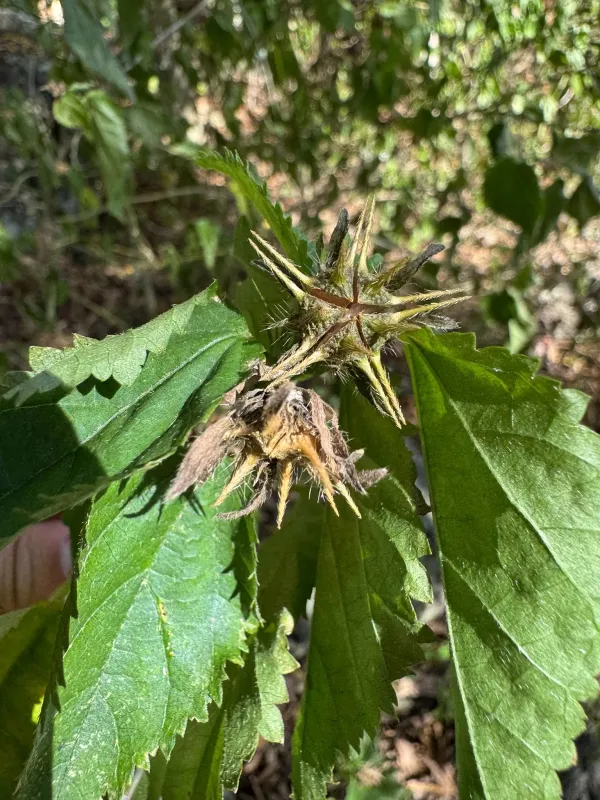
Description
Sowing dates
Pavonia spinifex is a perennial shrub belonging to the Malvaceae family, widely known for its fibrous properties and potential utility as an industrial crop.
Sowing should take place in well-drained, nutrient-rich soil during the warm season, as the plant is sensitive to cold temperatures and requires heat to germinate.
Seeds are typically planted at a depth of 2 to 3 centimeters, with rows spaced adequately to ensure sufficient light penetration and aeration for the maturing plants.
Proper seed preparation, including light scarification or soaking, is recommended to break dormancy and ensure a uniform emergence across the field.
Optimal germination occurs at temperatures between 20°C and 25°C, making it essential to time the planting to avoid sudden cold snaps or frost.
Growing requirements
This crop thrives in sunny, tropical to subtropical environments and requires full sun exposure to maximize the development of its stem fibers.
Pavonia spinifex is well-adapted to a variety of soil types, provided there is excellent drainage, as the roots are susceptible to rot in waterlogged conditions.
Consistent moisture is needed throughout the growing season, although the plant shows moderate resilience once it has established a deep root system.
While it can survive in poorer soils, fertilization with balanced NPK fertilizers helps boost biomass production, which is critical for fiber-yielding crops.
Air circulation is crucial to prevent the onset of fungal diseases, necessitating proper spacing between plants in large-scale agricultural operations.
Yield
The yield of Pavonia spinifex is primarily measured by the total biomass of stems that can be harvested and processed into durable bast fiber.
Under ideal conditions, the plant displays vigorous growth, allowing for multiple harvest cycles or consistent production throughout the lifespan of the shrub.
Management practices, such as pruning, can stimulate the growth of new, supple stems that yield higher quality fibers compared to older, woodier branches.
The total yield is heavily influenced by soil fertility and the frequency of water application during the peak vegetative stage of the plant.
Strategic field management, including weed control, minimizes competition for nutrients, directly contributing to higher total fiber tonnage per hectare.
Main diseases and pests
Like many members of the Malvaceae family, Pavonia spinifex can be affected by common pests such as aphids and spider mites, particularly in arid conditions.
Fungal pathogens and root rots are the most significant threats to the crop when drainage is inadequate or humidity remains persistently high without airflow.
Integrated pest management strategies, including biological controls and targeted organic pesticides, are effective in maintaining crop health.
Regular field scouting is essential to identify early signs of infestation or disease, allowing for timely intervention before significant economic damage occurs.
Maintaining clear borders and removing secondary host plants for insects can significantly reduce the pressure from agricultural pests.
Harvesting
Harvesting involves the manual or mechanical cutting of stems, which is done when the fibers reach their peak maturity and strength.
Care must be taken to harvest before the stems become overly lignified, as overly mature fibers can lose their flexibility and industrial value.
Post-harvest processing often includes retting, where stems are submerged in water to decompose non-fibrous tissues, allowing the fiber to be extracted.
Efficiency in logistics is paramount, as the stems should be transported to the processing facility promptly to prevent degradation or contamination.
Proper drying of the harvested material before long-term storage is necessary to ensure the longevity of the fiber and prevent mildew during transit.