
Pavonia sepium
Pavonia sepium
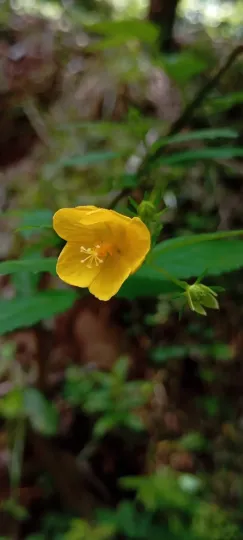
Description
Growing requirements
Pavonia sepium is a woody perennial shrub belonging to the Malvaceae family. It is native to the South American continent, where it thrives in varied tropical and subtropical environments.
The plant demonstrates excellent adaptability to various soil types, preferring substrates that are deep and sufficiently aerated. It does not tolerate waterlogging, requiring well-drained conditions for optimal root development.
Regarding climate, Pavonia sepium requires temperatures between 20°C and 30°C. It is typically found in habitats that receive regular rainfall, supporting vigorous year-round growth.
In terms of agricultural management, the plant benefits from periodic pruning to maintain structural integrity and encourage the development of new, healthy foliage.
Its main practical applications include serving as a living hedge in pasture management or as a biological agent for soil stabilization in tropical agroforestry projects.
Main diseases and pests
The most common biological threats to Pavonia sepium include fungal infections, particularly leaf rusts and spots that thrive during periods of high humidity and rainfall.
Insect pests, including aphids and beetle larvae, can impact the growth rate and overall biomass quality if populations reach critical thresholds.
Cultural practices such as maintaining proper planting density are essential to ensure adequate air circulation around the plants, which significantly reduces disease pressure.
Management strategies should focus on integrated pest control, prioritizing the health of the soil and the balance of local microflora to prevent outbreaks.
Scouting is vital for early detection of pests; monitoring the undersides of the leaves helps identify infestations before they spread across the entire plantation.