
Pavonia senegalensis
Pavonia senegalensis
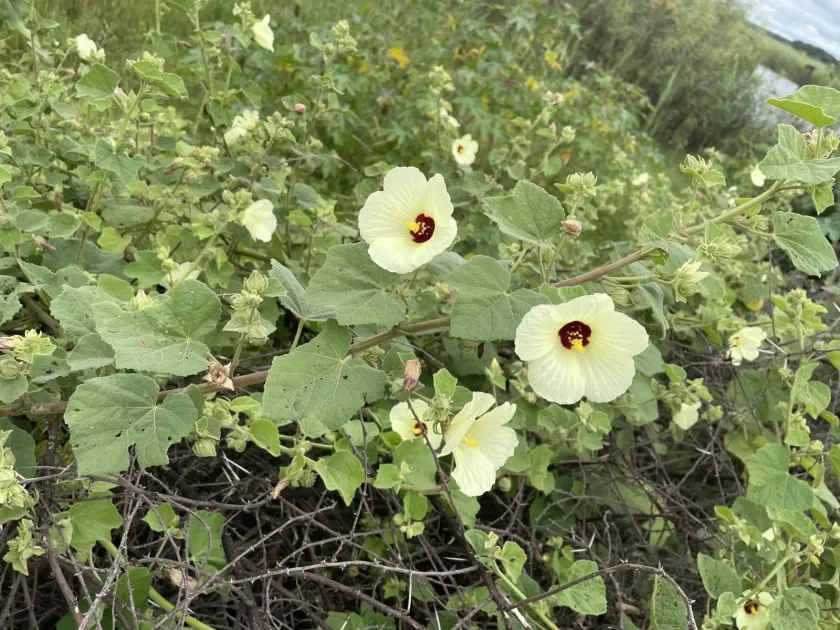
Description
Growing requirements
Pavonia senegalensis is a plant species within the Malvaceae family, native to the arid and semi-arid regions of tropical Africa. It is known for its ability to thrive in harsh environmental conditions, exhibiting a robust growth pattern that is well-suited to the savannah climate.
The plant demonstrates significant drought tolerance, primarily due to its efficient root system that penetrates deep into the soil to access moisture. It requires high levels of solar radiation and does not tolerate shaded environments, which can negatively impact its stem elongation.
Soil preferences include well-draining, sandy, or light loam soils with a neutral pH level. It is essential to avoid waterlogged conditions, as the plant is highly susceptible to root diseases when exposed to excessive moisture in the rhizosphere for extended periods.
Climatic requirements are strictly tropical, with a preferred temperature range of 22°C to 35°C throughout the growing season. The plant exhibits rapid developmental rates when diurnal temperature fluctuations remain within this optimal range.
Agricultural management should prioritize the maintenance of soil aeration and the control of invasive weed species that compete for nutrients. Given its adaptation to nutrient-poor soils, the plant does not require high levels of chemical fertilization to reach maturity.
Harvesting
The economic value of Pavonia senegalensis is primarily derived from its fibrous stems, which are harvested for textile production. The fibers are used in the creation of ropes, traditional mats, and various household items in regional economies.
Harvesting is typically scheduled during the peak flowering stage to ensure the fibers have reached their maximum tensile strength. Cutting the stems near the base minimizes damage to the secondary growth and facilitates easier handling for the subsequent processing stages.
Post-harvest processing involves retting, a biological process where stems are submerged in water to break down the pectin holding the fibers together. This is a critical step that determines the quality, color, and texture of the resulting fiber output.
Once the fibers are extracted, they are dried under intense sunlight, which naturally bleaches the material and stabilizes its chemical composition. This traditional method remains the most effective way to prepare the fibers for spinning or weaving.
Seeds are collected from mature pods and can be stored for future planting seasons if kept in a cool, dry environment. Proper seed management ensures high germination rates for subsequent cycles of cultivation.