
Pavonia rosea
Pavonia rosea
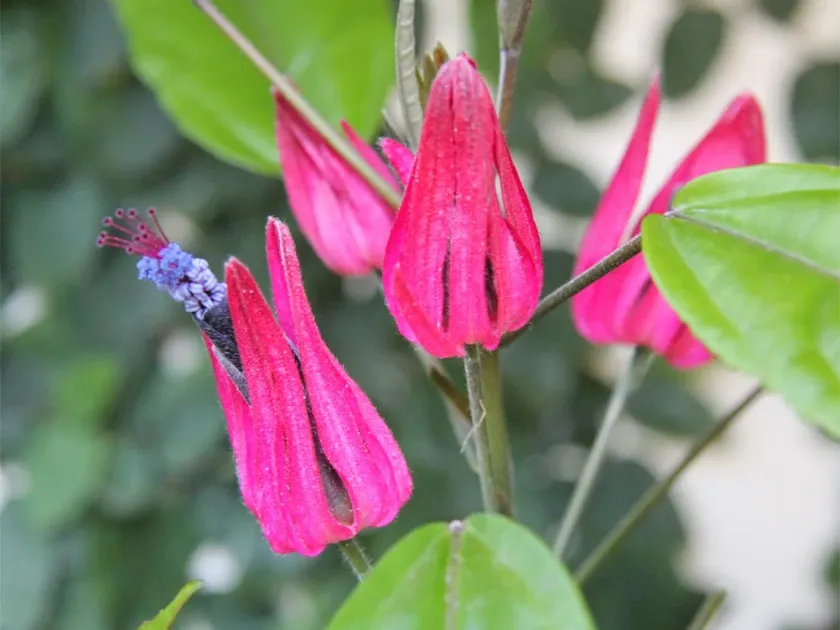
Description
Sowing dates
Propagation of Pavonia rosea is typically achieved through seeds sown in controlled greenhouse environments. The sowing process should be initiated in late winter or early spring to ensure robust seedlings for the upcoming season.
Seeds are placed in a well-drained, nutrient-rich substrate at a depth of approximately 0.5 to 1 centimeter. Consistent soil moisture and a temperature range of 22–25 degrees Celsius are critical for successful germination.
Covering containers with glass or plastic helps maintain the humidity levels necessary for young plants to thrive. Proper ventilation should be managed once sprouts emerge to prevent fungal issues associated with stagnant air.
After the development of true leaves, seedlings are transplanted into individual pots, providing ample room for root expansion. This stage is crucial for establishing a strong plant structure before final placement.
Vegetative propagation via cuttings taken during the summer months is another reliable method. Cuttings should be kept in a moist medium like perlite and treated with rooting hormones to ensure higher survival rates.
Growing requirements
Pavonia rosea is a member of the Malvaceae family, native to tropical regions of Central and South America. It thrives in locations with bright, indirect sunlight, as harsh direct rays can damage its sensitive foliage.
The plant requires fertile, well-draining soil with a neutral or slightly acidic pH. Effective drainage is paramount, as waterlogged conditions often lead to rapid root degradation and overall plant decline.
Regular irrigation is essential during the active growing season, especially in hot or arid climates. Maintaining soil moisture without allowing it to become saturated is the key to healthy development.
Temperature management is vital; the plant prefers a range between 20 and 28 degrees Celsius during its active phase. In winter, it requires a period of rest, with temperatures remaining above 15 degrees to prevent shock.
Fertilization with balanced mineral supplements should be performed every two weeks during the growing season. This ensures the plant receives the nutrients necessary for vibrant flowers and lush foliage throughout the year.
Main diseases and pests
Spider mites are the most common pest threats for Pavonia rosea, particularly in environments with low air humidity. Regular monitoring of the leaf undersides is recommended to detect these pests before an infestation spreads.
Mealybugs can also impact the plant by feeding on sap from young shoots, leading to stunted growth. Targeted use of horticultural oils or systemic insecticides is usually sufficient to manage these infestations effectively.
Root rot, driven by excessive soil moisture and poor drainage, represents a significant disease risk. Ensuring proper air circulation around the base of the plant is essential for mitigating moisture-related pathogens.
Leaf spot infections may occur under unfavorable conditions, characterized by high humidity and poor hygiene. Removing affected leaves immediately helps to stop the progression of the disease within the collection.
Good agricultural practices, such as sterilizing tools between uses and maintaining a clean growing area, significantly reduce the risk of disease. A well-nourished plant is naturally more resistant to these common threats.