
Pavonia repanda
Pavonia repanda
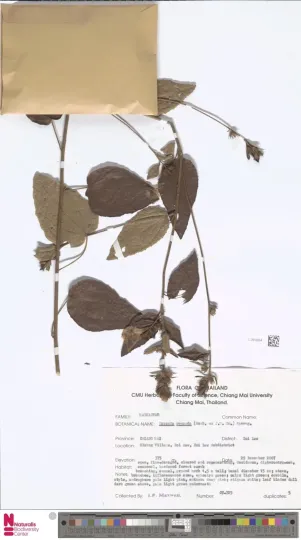
Description
Growing requirements
Pavonia repanda is a perennial plant species belonging to the Malvaceae family. Like other members of this family, it features distinctive flower structures and fibrous stems, which have attracted interest for potential industrial utilization in various sectors.
The species originates from tropical and subtropical regions where warm temperatures and high humidity levels are constant. Because it is highly sensitive to frost, large-scale cultivation is restricted to climates where the thermal regime remains favorable year-round.
This crop requires nutrient-rich, well-drained soils to thrive and reach its full biomass potential. Moisture management is critical; while the plant needs consistent water, it cannot tolerate waterlogged soils, which may cause root system degradation and plant decay.
Optimal vegetative growth is achieved under bright sunlight and temperature conditions ranging between 22 and 28 degrees Celsius. Providing a wind-sheltered environment is also beneficial to ensure the integrity of the plant's structural components.
The main industrial value of the plant lies in its stem fibers. These fibers are harvested and processed for use in the manufacturing of technical textiles, cordage, or biodegradable packaging materials, offering a sustainable alternative to synthetic products.
Main diseases and pests
Fungal pathogens represent the primary threat to Pavonia repanda, especially in environments with poor air circulation or excessive moisture. Root rot is a common outcome when agricultural practices fail to maintain adequate soil aeration.
Pests such as spider mites and whiteflies frequently target the foliage, extracting plant sap and weakening the crop's development. Infestations must be addressed promptly to prevent stunted growth and significant losses in fiber yield.
Effective management includes implementing a strict crop rotation schedule and preparing the seedbed thoroughly. Ensuring appropriate plant spacing is essential to reduce humidity levels within the canopy and discourage the spread of pathogenic spores.
Regular field scouting is recommended to identify early pest activity or disease symptoms. Using organic or targeted biopesticides helps keep the ecosystem balanced while effectively suppressing harmful insect populations during the peak growing season.
Weed control is also vital, as invasive plant species can act as hosts for viruses and insects that damage the crop. Keeping the field clean is a foundational step in maintaining the health and vigor of the planting site.