
Pavonia praemorsa
Pavonia praemorsa
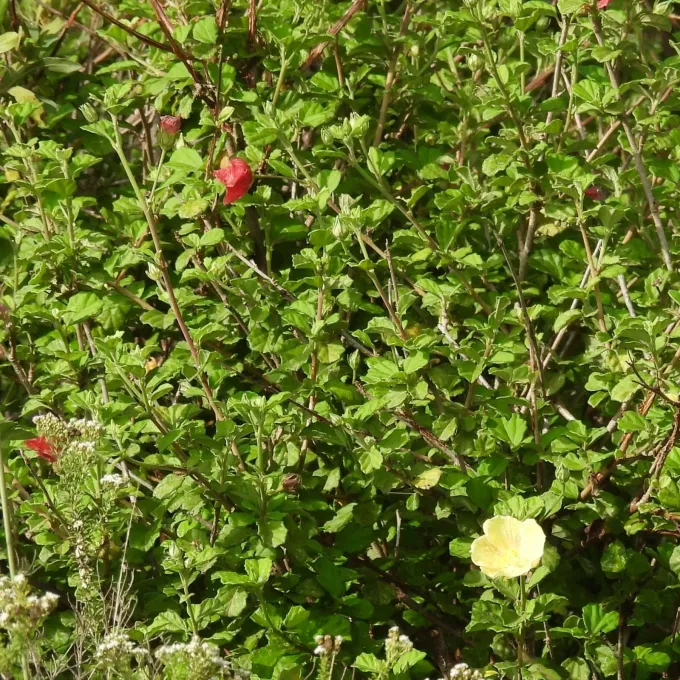
Description
Growing requirements
Pavonia praemorsa, known as the yellow pavonia, is an evergreen shrub within the Malvaceae family. Originating from South Africa, this plant is valued for its distinctive foliage and bright yellow flowers that bloom periodically throughout the year.
The plant thrives in well-draining soil with a slightly acidic to neutral pH level. It performs best in locations that receive full sun, although it can tolerate light shade during the hottest parts of the day in warmer climates.
Adequate irrigation is crucial during the growing season to ensure steady development. However, the substrate must be allowed to dry out slightly between waterings to prevent the saturation of the root system and subsequent rotting.
As a temperature-sensitive species, it requires frost-free conditions for outdoor cultivation. In cooler regions, it is frequently utilized as an ornamental plant in greenhouses or as a seasonal patio specimen.
Cultural practices include periodic pruning to maintain a bushy shape and encourage dense branching. Removing spent flowers helps the plant redirect energy into new vegetative growth and subsequent flowering cycles.
Main diseases and pests
The most common pests affecting Pavonia praemorsa are spider mites and mealybugs, which thrive in dry air conditions. Regular misting and the use of systemic insecticides help keep these populations under control.
Fungal issues, such as leaf spot or botrytis, can occur if the plant is kept in conditions with poor air circulation and excessive moisture. Improving airflow around the foliage is a primary preventative measure.
Root rot remains a major threat when the potting medium becomes waterlogged. Using high-quality drainage materials such as perlite or coarse sand in the soil mix is essential to mitigate this risk.
Aphids may occasionally infest young, tender leaves. These can be effectively managed with insecticidal soap or neem oil treatments applied in the early stages of the infestation.
Chlorosis, often caused by mineral deficiencies or water pH imbalances, can lead to yellowing foliage. Balanced fertilization programs are necessary to maintain vigorous health and consistent color throughout the growing cycle.