
Pavonia paludicola
Pavonia paludicola
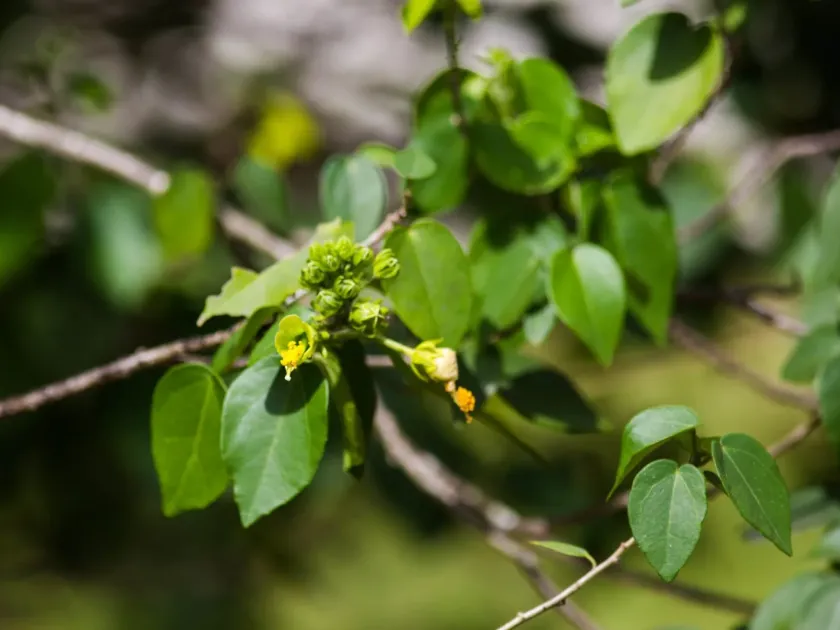
Description
Growing requirements
Pavonia paludicola is a perennial shrub belonging to the Malvaceae family. It is distinct for its physiological adaptations to wetland environments, making it a specialized crop for tropical marshy landscapes.
Originating from the Americas and the Caribbean, this species is typically found in mangrove forests and saturated coastal fringes. Its ability to tolerate wet soils and salinity defines its natural ecological niche.
The crop thrives in warm, humid climates where temperatures remain consistent throughout the year. It requires significant solar exposure coupled with high humidity to maintain active photosynthetic rates.
Soil requirements focus on moisture retention and high organic content. The plant performs best in nutrient-rich alluvial soils or silt-based substrates that allow for continuous root hydration without excessive compaction.
Agronomic management involves maintaining the hydrological balance of the growing site. Proper spacing is essential to ensure adequate airflow, which prevents the development of stagnant water issues around the stems.
Main diseases and pests
The primary threats to this crop include fungal pathogens that thrive in high-humidity microclimates. Preventing soil saturation beyond the plant's tolerance limit is crucial to avoid root rot and similar fungal ailments.
Pest management focuses on common Malvaceae invaders, such as aphids and spider mites. Implementing integrated pest management strategies is recommended to preserve the integrity of the foliage and overall health of the shrubs.