
Kalanchoe gastonis-bonnieri
Kalanchoe gastonis-bonnieri Raym.-Hamet & H. Perrier
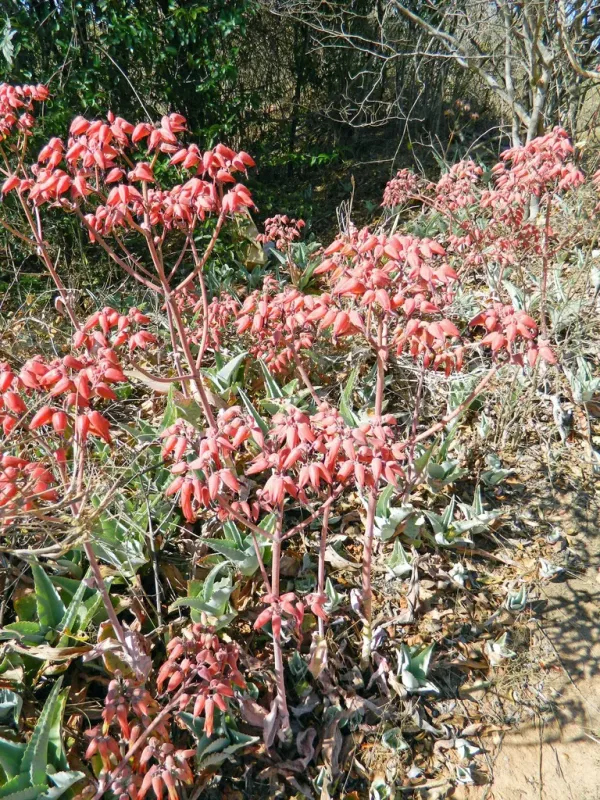
Description
Sowing dates
Kalanchoe gastonis-bonnieri is most effectively propagated vegetatively using the plantlets that develop along the margins of its large, lance-shaped leaves.
Seeds can also be used for cultivation, requiring a fine, well-draining substrate and consistent temperatures between 20 and 22 degrees Celsius for germination.
The optimal time for planting or transplanting is early spring, which aligns with the plant's natural growth cycle and increasing daylight duration.
When collecting plantlets, ensure they have developed small root systems before placing them into individual containers filled with a sandy mix.
Young plants require bright, indirect light and careful moisture management to establish their root systems without the risk of substrate saturation.
Growing requirements
This species is a member of the Crassulaceae family and is native to Madagascar, where it thrives in rocky, arid, and well-drained environments.
Cultivation requires a potting mix composed of grit, pumice, and loam to ensure excellent drainage and prevent root rot, which is a common issue.
The plant thrives in full to partial sun, displaying a characteristic bronze or reddish hue on its leaves when exposed to sufficient solar radiation.
Watering practices should follow the soak-and-dry method, ensuring the soil is completely dry before applying additional water to the root zone.
Temperature management is critical: while the plant is heat-tolerant, it should be protected from prolonged exposure to temperatures below 10 degrees Celsius.
Main diseases and pests
Excessive humidity combined with stagnant air often leads to the development of fungal pathogens, specifically various types of stem rot.
Pests such as mealybugs often hide in the crevices of the leaf nodes, feeding on sap and weakening the plant's structural integrity over time.
Scale insects may also attach to the foliage, creating protective covers that make them difficult to remove without targeted chemical or mechanical treatment.
Aphids occasionally target new, tender growth during the spring, which can lead to stunted development and leaf distortion if left unmanaged.
Maintaining good plant hygiene and monitoring for initial signs of infestations are the most effective ways to ensure the longevity of the culture.