
Kalanchoe spathulata
Kalanchoe spathulata DC.
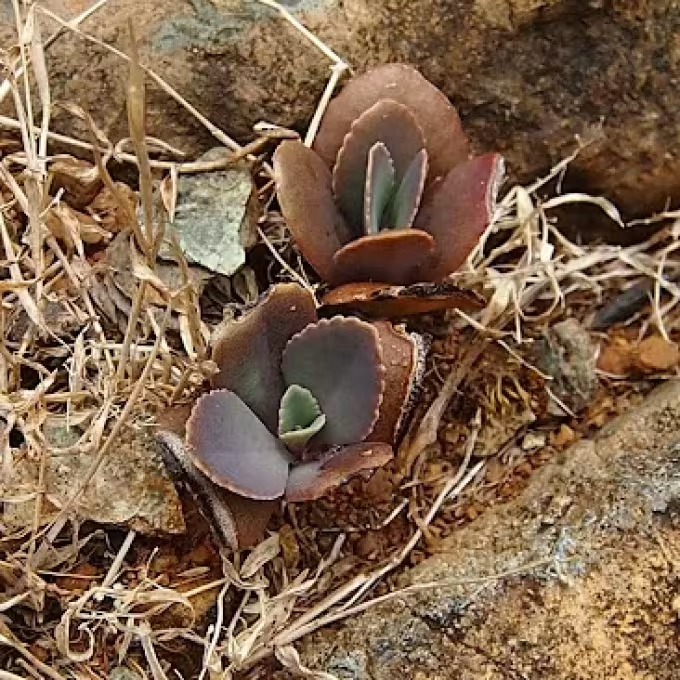
Description
Growing requirements
Kalanchoe spathulata belongs to the Crassulaceae family and is recognized as a distinctive succulent perennial. Native to regions of Asia, including China, India, and the Philippines, this species typically thrives in rocky terrains and mountain slopes, showcasing its adaptability to arid conditions.
Botanically, the plant is characterized by its succulent, spoon-shaped leaves that often exhibit reddish margins when exposed to sufficient sunlight. The plant features an upright growth habit, producing tall flower stalks crowned with vibrant yellow, four-petaled flowers.
Cultivation requirements for this species focus primarily on high light intensity. To maintain a compact form and encourage flowering, the plant should be placed in a location with abundant indirect sunlight, protecting it from intense, direct heat during the peak of the day.
Regarding substrate, Kalanchoe spathulata requires a highly porous, gritty, and well-draining soil mix. A combination of standard potting soil with inorganic components such as pumice, perlite, or volcanic rock is essential to prevent moisture accumulation around the root zone.
Watering practices must be strictly controlled, adhering to the soak-and-dry method. During the growing season, watering should be thorough but infrequent, ensuring the roots do not sit in saturated soil, which is the most common cause of failure in succulent cultivation.
Main diseases and pests
The most significant pathological threat to this species is root rot caused by fungal pathogens, usually stemming from overwatering or inadequate soil aeration. This condition often results in rapid stem collapse and plant death if not addressed immediately.
Insect pests, particularly mealybugs, represent a common issue for Kalanchoe spathulata. These pests hide in leaf axils and crevices, feeding on plant sap and weakening the structure, often leaving behind a white, cottony substance that serves as a diagnostic sign.
Aphids can also infest the plant, specifically targeting young shoots and the developing floral display. Infestations should be managed using contact insecticides or horticultural soaps, applied carefully to avoid damaging the succulent leaves.
Scale insects pose an additional risk, as they attach firmly to the leaves and stems, acting as protected feeding sites. Manual removal followed by systemic treatment is often necessary to eradicate these pests effectively without harming the plant's epidermis.
Effective management includes regular inspection of the foliage and stems, maintaining optimal airflow around the plant, and ensuring that no dead plant matter remains in the pot, as this serves as a reservoir for further fungal and insect attacks.