
Kalanchoe blossfeldiana
Kalanchoe blossfeldiana x Kalanchoe guignardii
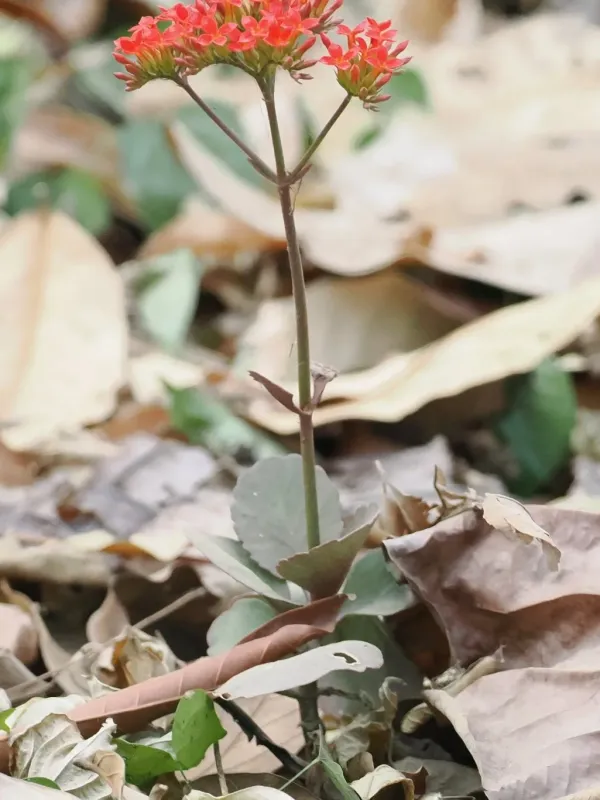
Description
Sowing dates
Kalanchoe blossfeldiana is a perennial herbaceous plant belonging to the Crassulaceae family. In commercial floriculture, it is predominantly propagated vegetatively via cuttings, which ensures the consistency of hybrid characteristics.
The optimal time for taking cuttings is spring or early summer. In commercial greenhouse production, growers utilize light-control techniques to schedule blooming cycles throughout the year, regardless of the season.
Seed propagation is less common due to the minute size of the seeds. They require surface sowing on a fine, sterile substrate, and high humidity is maintained to ensure successful germination and seedling establishment.
Once seedlings develop their first true leaves, they are transplanted into individual pots. The use of rooting hormones significantly improves root development and increases the survival rate of young plants.
Pruning and pinching are essential agronomic practices for shaping the plant. This promotes branching and creates a dense, attractive bush structure, which is crucial for achieving high commercial value.
Growing requirements
As a short-day plant, Kalanchoe blossfeldiana requires a specific photoperiod to initiate flowering. Growers must provide a period of artificial darkness for 9–10 hours daily over several weeks.
The ideal temperature for growth ranges between 18 and 25 degrees Celsius. Prolonged temperatures below 15 degrees Celsius are detrimental, as they inhibit bud formation and can stunt the plant's overall growth.
The soil should be light, well-draining, and slightly acidic (pH 5.5–6.5). Peat-based mixes amended with perlite or vermiculite are preferred to provide necessary aeration and prevent moisture retention around the roots.
Watering must be managed carefully. As a succulent, the plant stores water in its leaves; therefore, the substrate should be allowed to dry out between watering sessions to avoid root rot.
Fertilization with a balanced mineral mix formulated for succulents is recommended during the growing phase. Limiting nitrogen levels as the flowering phase approaches is important to ensure bud development rather than excessive foliage growth.
Yield
The commercial success of the crop depends on the number of flowers and the uniformity of blooming. High-quality cultivars can produce up to 15 dense inflorescences per plant, ensuring visual appeal.
Proper cultivation practices can extend the flowering period to 12 weeks. The ability to program production cycles makes this species a highly profitable asset for wholesale nursery businesses.
Productivity is measured by the number of marketable plants per square meter. Optimized density and growth regulation allow for a high turnover of premium-quality finished goods.
Kalanchoe plants are known for their durability during transport. Their sturdy leaves and stems allow for long-distance shipping, which is a major advantage for global distribution in retail markets.
Modern breeding focuses on compact growth habits and increased resilience to common environmental stressors, which makes these plants increasingly popular for indoor consumer markets.
Main diseases and pests
Fungal diseases are the primary threat, especially in environments with poor air circulation or excessive humidity. Powdery mildew and various forms of root rot are common issues in greenhouses.
Pests such as aphids, mealybugs, and spider mites can cause significant damage in dry conditions. They feed on plant sap and can weaken the plant, affecting both aesthetic value and vitality.
- Powdery mildew — distinctive white patches on leaves.
- Root rot — decay of the root system and base.
- Aphids — stunted growth and leaf distortion.
- Spider mites — small yellow stippling and webbing.
Integrated Pest Management (IPM) is recommended, utilizing both chemical and biological controls. Maintaining high hygiene standards in the greenhouse helps to significantly reduce the pressure of pests and pathogens.
Preventative measures, such as proper spacing and regular monitoring, are crucial. By identifying potential issues early, growers can intervene with targeted treatments before an outbreak compromises the entire crop.