
Kalanchoe blossfeldiana
Kalanchoe blossfeldiana x Kalanchoe spathulata
Description
Sowing dates
Propagation of Kalanchoe blossfeldiana in commercial horticulture is performed primarily through vegetative cuttings to ensure uniformity of the offspring. Seed propagation is limited to breeding programs and the development of new cultivars.
Stem cuttings, typically 5–8 centimeters long, are taken from healthy mother plants. The cut ends must be dried for approximately 24 hours to form a callus, which prevents the entry of pathogens during the rooting process.
The optimal time for taking cuttings is during the active growth phase in late spring or summer. Maintaining a consistent temperature of 20–22 degrees Celsius ensures faster root development and higher survival rates.
A well-draining substrate consisting of peat and perlite is essential for propagation. Good aeration within the rooting medium is critical to avoid the accumulation of moisture that can lead to root rot.
Transplanting into final pots occurs about one month after the rooting process begins. At this stage, low-nitrogen fertilizers are often applied to encourage the development of a compact, bushy plant structure.
Growing requirements
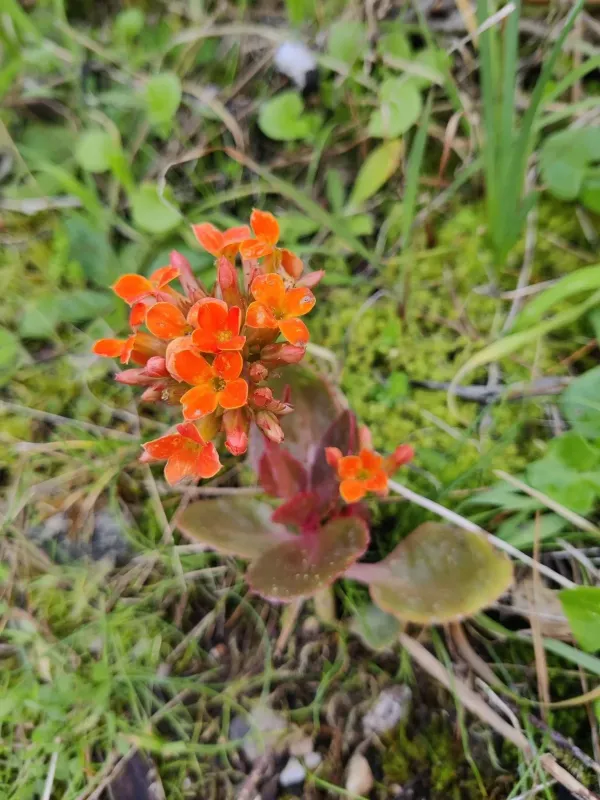
Kalanchoe blossfeldiana is a succulent perennial of the Crassulaceae family, native to Madagascar. It is a highly valued ornamental crop known for its vibrant flower clusters and fleshy, dark green leaves.
The plant is a short-day photoperiodic crop. To induce flower bud formation, the plants must be exposed to a strict 9–10 hour light cycle for a duration of 4 to 6 weeks, which triggers the reproductive phase.
Ambient temperature should ideally be kept between 16 and 22 degrees Celsius. During the growing cycle, it is necessary to manage light intensity, as excessive direct sunlight can scorch the leaves and degrade the plant quality.
Irrigation must be controlled to prevent waterlogging, which is a major cause of failure in succulent cultivation. Sub-irrigation or bottom-watering is recommended to keep the foliage and crown dry, preventing moisture-related rot.
Soil pH levels should be maintained in the range of 5.5 to 6.5. Proper nutrient management is crucial during the active growth phase, focusing on balanced fertilization to promote both foliage health and flower production.
Yield
The commercial output of Kalanchoe blossfeldiana is measured by the number of high-quality flowering pots produced per unit area. Efficiency depends on the use of uniform cuttings and optimized environmental conditions.
In a standard greenhouse setup, a yield of 35–45 marketable plants per square meter is considered typical under professional management. The production schedule is heavily influenced by the chosen variety and lighting control.
Growth regulators are frequently employed to achieve the desired compact, branched architecture required for retail market standards. This allows for higher density in greenhouse spacing without compromising individual plant aesthetics.
The total production cycle from cutting to flowering stage generally ranges from 12 to 16 weeks. Automation in irrigation and climate control significantly improves profitability and reliability of the final harvest date.
Quality control focuses on symmetry, foliage color, and the density of flower heads. Only plants meeting specific developmental stages are deemed ready for shipping, ensuring long-lasting performance for the end consumer.
Main diseases and pests
Aphids and mealybugs are the primary pests affecting Kalanchoe blossfeldiana. These insects typically inhabit the underside of leaves and the growing tips, requiring systemic insecticide treatments for effective control.
Powdery mildew is a prevalent fungal disease that thrives in high-humidity and low-ventilation environments. Ensuring adequate horizontal airflow within the greenhouse is a primary strategy for preventing outbreaks.
Root rot is caused by poor drainage or excessive watering. The most effective preventative measure is the use of sterile, well-structured potting media and the strict maintenance of dry periods between irrigation events.
Gray mold (Botrytis) can damage flower heads if conditions become too cold or damp. Immediate removal of affected tissue and improvement of air circulation are essential to prevent the spread of the fungus.
Regular phytosanitary inspections are standard practice in professional nurseries. Integrated pest management, incorporating biological controls where possible, helps maintain crop health throughout the production cycle.
Harvesting
Harvesting involves selecting plants that have reached the appropriate stage of floral development. This is defined as the time when flower clusters are tight but showing distinct coloration, promising longevity.
Plants are graded for uniformity and quality before being prepared for market. Damaged leaves are removed, and pots are inspected to ensure they are free of pests and have optimal substrate moisture levels.
Packaging includes protective sleeves that allow for gas exchange while preventing physical damage to the flowers. This is crucial for maintaining the plant’s integrity during transport and retail display.
Transportation is carried out in climate-controlled vehicles to avoid temperature fluctuations, which can cause bud drop. Ideal transport temperatures should be around 12–15 degrees Celsius for short durations.
Upon arrival, plants are allowed a short period of acclimation before being placed for sale. This stabilization process helps the plants recover from transport stress and ensures the quality expected by the consumer.