
Kalanchoe blossfeldiana
Kalanchoe blossfeldiana x kalanchoe laciniata
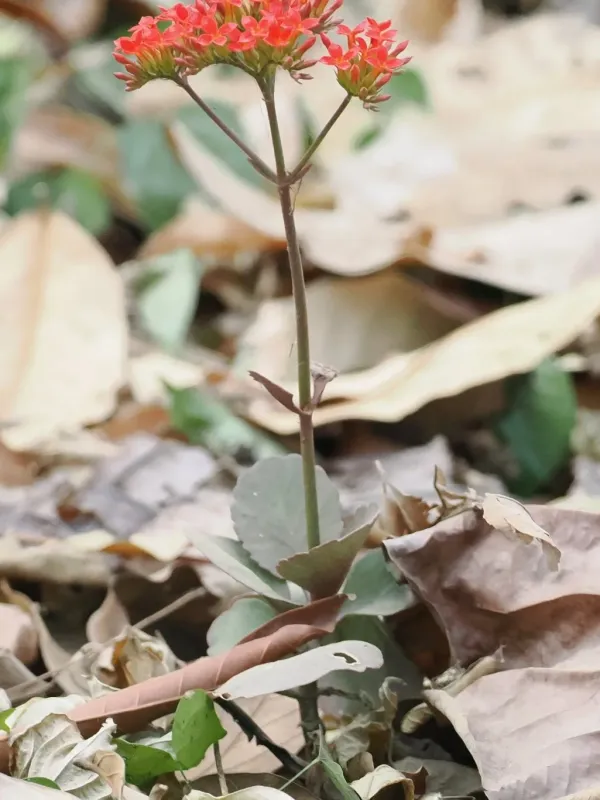
Description
Sowing dates
Propagation of Kalanchoe blossfeldiana is primarily performed through cuttings or seeds in specialized nurseries. Cuttings are planted in a lightweight, well-draining substrate while maintaining a temperature of 20-22°C to ensure successful rooting.
The seed-based method requires surface sowing without covering the seeds, as they are extremely small. Trays are kept under film in diffuse light, ensuring stable humidity levels.
The duration from cutting to a saleable flowering plant varies from 4 to 6 months depending on light conditions and the application of growth regulators.
To control flowering for commercial production, a short-day photoperiod method is used. Plants require 12-14 hours of total darkness daily to trigger flower bud formation.
Adjusting the light cycle allows growers to plan production schedules for specific market dates, which is a key strategic factor in the floral business.
Growing requirements
Kalanchoe blossfeldiana belongs to the Crassulaceae family and is a typical succulent. The plant requires bright light but should be protected from direct noon sun, which causes leaf scorch.
The optimal temperature range for growth is 18-25°C. It is crucial to avoid temperature fluctuations and drafts, which can negatively affect root development and bloom quality.
The soil must be loose with excellent drainage to prevent waterlogging. Peat-based mixes with perlite or sand are commonly used, maintaining a slightly acidic to neutral pH.
Watering should be moderate: the soil must dry out almost completely between waterings. Excessive moisture is a critical error that promotes stem and root rot.
The plant is highly adaptable but sensitive to air humidity levels, which should not be excessively high to prevent the spread of fungal infections.
Yield
Commercial use is focused on the production of flowering potted plants. Yield is determined by the number of developed flower stems per plant.
With proper agrotechnics, each plant forms a dense canopy of inflorescences, ensuring high marketability. Apical pinching allows for the development of compact, bushy habits.
Selective hybrids can maintain their decorative appeal for 2-3 months with proper care. Market value depends on the uniformity of flower stems and the saturation of petal color.
Regular application of phosphorus-potassium fertilizers during the budding stage significantly increases the total number of flowers and enhances color intensity.
In modern greenhouses, productivity is measured by the number of saleable units per square meter, where planting density and strict adherence to light cycles are paramount.
Main diseases and pests
The most common pests include mealybugs and aphids, which gather in leaf axils and on flower stems, sap-sucking and weakening the plant.
If the watering regime is poor and ventilation is inadequate, fungal diseases such as powdery mildew and grey mold can rapidly affect leaves and stems.
- Phytophthora rot caused by waterlogged substrate.
- Root rots leading to rapid plant decline.
- Mites that infest the crop under conditions of very low humidity.
For disease prevention, it is necessary to perform regular plant inspections and ensure proper air circulation within the greenhouse facility.
When pests are detected, the use of systemic insecticides is recommended, while broad-spectrum fungicides are effective against fungal pathogens.