
Lemoine peony
Paeonia x lemoinei Rehder
Description
Growing requirements
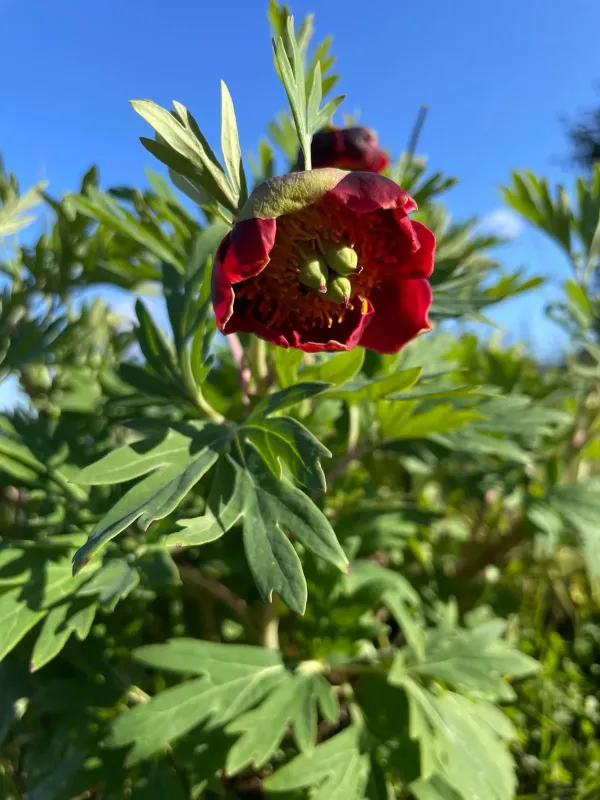
The Lemoine peony (Paeonia x lemoinei) refers to a sophisticated group of interspecific hybrids derived from tree peonies. Belonging to the Paeoniaceae family, these plants are celebrated for their exceptional flower quality and robust genetic heritage.
These peonies thrive in full sun but benefit from light shade during the hottest parts of the day in warmer climates. Protection from strong winds is essential to prevent mechanical damage to the heavy, blooming stems.
Soil requirements are strict: the plants need deep, fertile, and well-draining soil with a neutral to slightly acidic pH. Poor drainage is the most common cause of failure in cultivating this specific hybrid group.
Adequate spacing during planting is crucial to ensure proper air circulation around the foliage, which significantly reduces the risk of fungal infections throughout the vegetative period.
Regular maintenance includes deep watering during dry spells, particularly during the bud formation phase, and applying a balanced fertilizer mix at the beginning and the end of the flowering cycle.
Main diseases and pests
Grey mold (Botrytis cinerea) remains the primary threat to Lemoine peonies, especially during wet spring seasons. It manifests as brown spots on stems and rot on developing flower buds.
Leaf rust is another prevalent issue that affects the photosynthetic capacity of the plant. If left untreated, it leads to premature foliage drop and weakens the plant for the following year.
Root rot is highly dangerous and usually occurs in soils with poor aeration or excessive moisture accumulation. It is often irreversible, highlighting the importance of soil preparation.
Pests such as aphids and nematodes can cause significant stress. Aphids generally target the soft tissues of new shoots, while nematodes can impair the root system's ability to absorb nutrients.
Integrated pest management, including sanitation of the garden area by removing debris in the autumn, is the most effective way to keep the plants healthy and vigorous.