
Rock's peony
Paeonia rockii (S. G. Haw & Lauener) T. Hong & J. J. Li ex D. Y. Hong
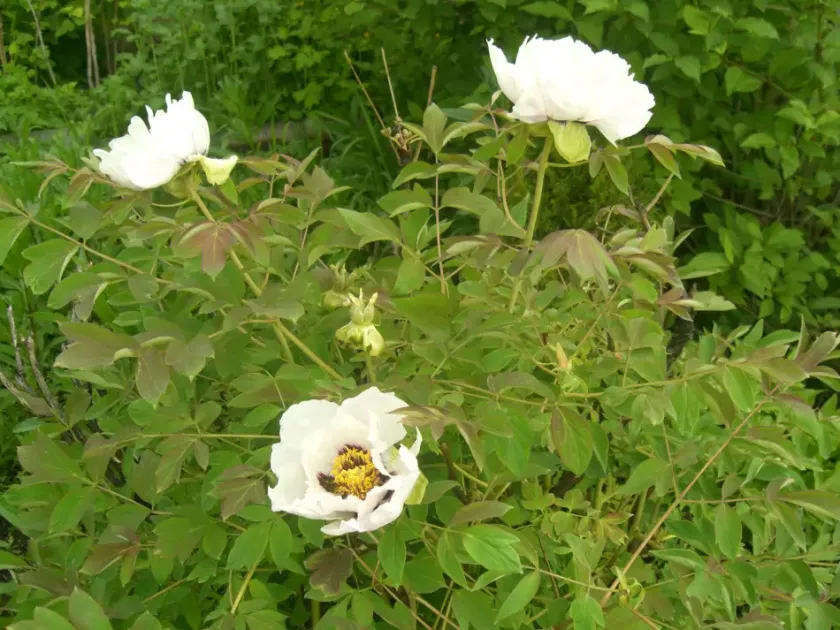
Description
Sowing dates
Seeds of Paeonia rockii should be sown in the autumn season immediately after harvesting to ensure proper stratification during the winter. Using fresh seeds is crucial, as they lose viability rapidly if stored improperly or allowed to dry out completely.
Vegetative propagation via division of established clumps is the preferred method for maintaining specific cultivar traits. The best time for this operation is late August or early September, allowing roots to establish before the onset of winter dormancy.
Plants must be spaced at least 1.5 to 2 meters apart to provide adequate airflow. Proper spacing is essential for reducing the risk of fungal infections and allowing the shrubs to reach their full architectural potential as they mature.
Preparing the planting hole involves creating a space approximately 60-70 cm deep. Incorporating organic matter into the soil and providing a layer of drainage at the bottom is vital for ensuring long-term health and preventing root suffocation.
Post-planting care requires a thorough watering and the application of mulch around the root zone. This helps to stabilize soil temperatures and retains the consistent moisture levels needed for young plants to take hold successfully.
Growing requirements
Rock's Peony is a woody perennial shrub belonging to the Paeoniaceae family, native to the mountainous regions of China. It is highly valued for its extreme cold hardiness, successfully surviving temperatures as low as -30°C in diverse landscape settings.
This species thrives in locations with full sun to partial shade, where it is protected from intense winds. While it enjoys sunlight, the plant benefits from some relief during the hottest afternoon hours in climates with extreme heat.
The soil should be fertile, well-draining, and possess a neutral to slightly alkaline pH. If the soil is too heavy or acidic, amendments such as compost and lime should be added to improve the growing conditions for the root system.
A consistent maintenance schedule includes balanced fertilization during the early spring and prior to the blooming phase. This ensures the plant has the necessary energy to produce its large, distinctive flowers each year.
Beyond its ornamental value, Paeonia rockii is increasingly grown for its seeds, which are rich in high-quality oils. This agricultural aspect makes the plant an important resource in the cosmetics and food industries, requiring specific harvesting techniques.
Main diseases and pests
Gray mold, or Botrytis blight, is a frequent issue caused by excessive moisture and poor air circulation. Sanitation, including the prompt removal of infected leaves and branches, is the most effective way to manage the spread of this pathogen.
Aphids and thrips are common pests that target new growth, potentially deforming leaves and damaging buds. Integrated pest management using systemic insecticides or soap-based sprays helps to preserve the health of the plant during the growing season.
Root rot is a severe condition usually caused by poor drainage or overwatering. Once established, it is difficult to treat, making preventative measures like ensuring an excellent drainage layer during the initial planting phase absolutely essential.
Leaf rust can manifest as spots on the foliage, eventually leading to premature senescence. Applying fungicides during periods of high humidity can help prevent the spores from establishing themselves on the leaves of the peony shrub.
Nematodes, which attack the root system, represent a hidden danger to the plant's long-term vitality. Gardeners should source plants from reputable nurseries and inspect roots before planting to avoid introducing these pests into their garden soil.