
Qiu's Peony
Paeonia qiui Y. L. Pei & D. Y. Hong
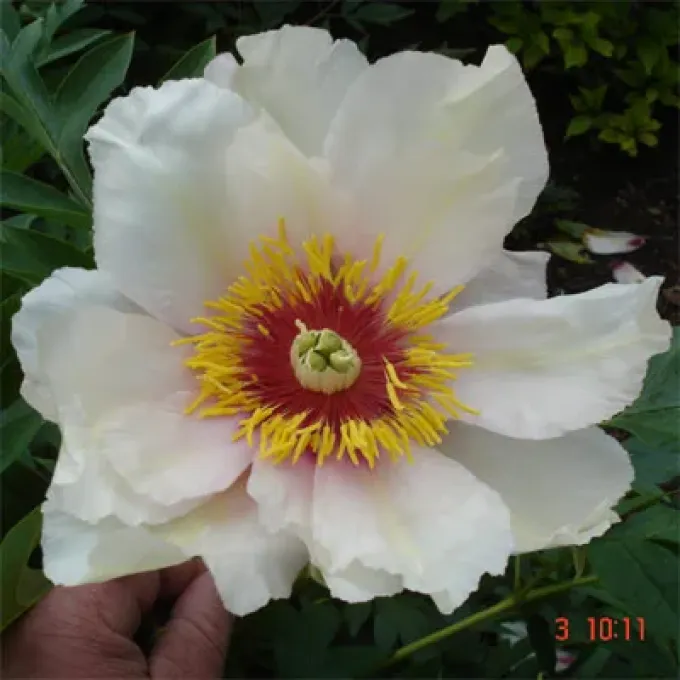
Description
Growing requirements
Qiu's Peony (Paeonia qiui) is a distinguished species within the Paeoniaceae family. It is a woody shrub native to the limestone mountains of the Hubei province in China, representing a vital part of the local flora.
Botanically, it is characterized by its woody, deciduous stems and complex, pinnately compound leaves. The plant exhibits a unique grayish-green foliage, which adds structural interest to landscape designs throughout the growing season.
The culture thrives in well-drained, alkaline or neutral soils. In natural habitats, it grows on rocky slopes, so mimicking these conditions in a garden setting—specifically ensuring excellent soil drainage—is crucial for longevity.
Regarding climate, this species requires a location with ample sunlight but some protection from extreme heat and drying winds. It shows good cold tolerance, although mulching around the root zone is recommended during the first few years.
Its primary use is ornamental gardening and genetic research. Due to its genetic diversity and environmental adaptability, Qiu's Peony serves as a valuable resource for breeders developing new resilient tree peony varieties.
Main diseases and pests
Botrytis blight is the most common threat to Paeonia qiui, especially during wet springs. This fungal pathogen can destroy flower buds and cause dieback on tender stems if humidity levels remain consistently high.
Root rot is another concern, typically caused by Phytophthora species. This often occurs in gardens with heavy clay soils that retain excessive moisture, leading to the suffocation of the root system.
Pests such as aphids are frequently found congregating on the fresh tips of stems. While they rarely kill the plant, they can spread viral diseases, necessitating early intervention with mild insecticidal soaps.
Scale insects and spider mites may also affect the plant during prolonged dry spells. Keeping the foliage clean and maintaining adequate air circulation between plants is a highly effective way to mitigate these infestations.
To keep plants healthy, it is essential to monitor them regularly and remove any dead or infected plant material immediately. Implementing a balanced fertilization schedule during early spring supports vigorous growth and increases natural resistance.