
Osti Peony
Paeonia ostii T. Hong & J. X. Zhang
Description
Sowing dates
Sowing of Osti peony seeds on an industrial scale is usually performed in the autumn, immediately after harvest, to ensure natural stratification in the soil during winter.
If dry planting material is used, it must be properly prepared by soaking in growth stimulants and creating conditions to break seed dormancy.
The sowing depth is between 3 and 5 centimeters, depending on the soil type, which protects the seeds from drying out or suffering frost damage.
When producing seedlings for new plantations, a nursery method is used where young plants are grown for 1–2 years before being transplanted to their permanent location.
The optimal planting pattern for industrial fields is generally 1.5 by 1.5 meters, which allows for mechanical maintenance and inter-row cultivation.
Growing requirements
Osti peony belongs to the Paeoniaceae family and is a deciduous shrub that can reach a height of up to one and a half meters.
The crop prefers sunny or partially shaded sites with fertile, well-drained loamy soils and a neutral to slightly alkaline soil reaction.
This plant is characterized by high cold resistance and drought tolerance, making it a promising crop for regions with moderate climates and continental winters.
A key development factor is avoiding water stagnation at the roots; therefore, creating artificial drainage is mandatory when planting on heavy clay soils.
During the growing season, the peony requires moderate nitrogen fertilization in spring and potassium-phosphorus fertilizers during flower bud formation and fruit development.
Yield
The main product obtained from Osti peony is a valuable edible and industrial oil, extracted through cold pressing from fully matured seeds.
The productivity of plantations begins to increase significantly 3–4 years after planting, when the bushes reach sufficient volume to produce commercial quantities of fruits.
Seeds of this species are notable for their high alpha-linolenic acid content, making the oil comparable in benefits to flaxseed oil but with higher storage stability.
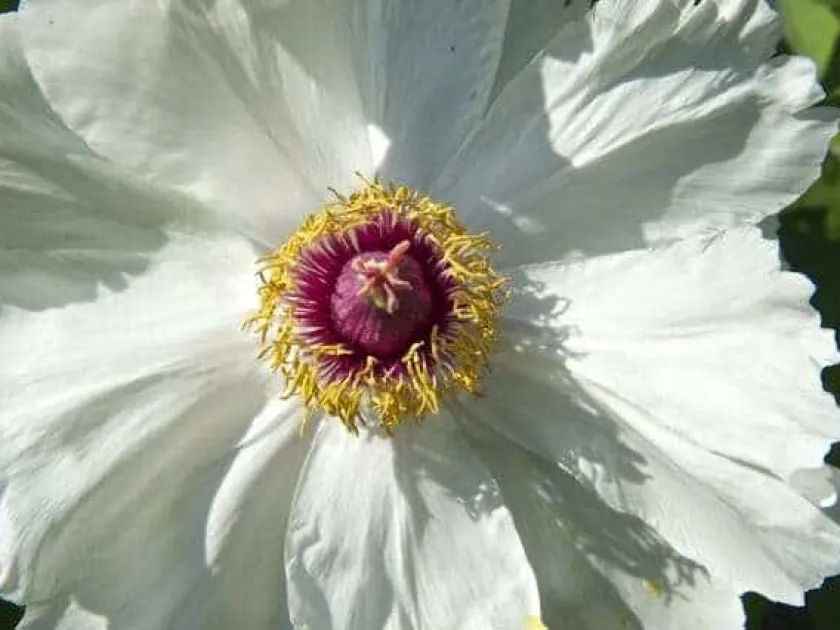
Beyond its oil-seed potential, Osti peony is highly valued in landscape design as an ornamental shrub with early and prolific white or light pink flowering.
The biomass of the plant's leaves and stems can also be used in pharmacology due to the presence of specific bioactive compounds, such as paeonol.
Main diseases and pests
The primary threat to Osti peony is fungal diseases, such as gray mold (Botrytis), which thrives in high humidity and poor ventilation conditions.
The root system may be affected by nematodes, which leads to stunted growth and necessitates the implementation of quarantine measures on the site.
Pests like beetles and aphids can damage buds and young shoots, reducing both the aesthetic value of the shrub and its potential fruit yield for the season.
To prevent the spread of infections, it is recommended to strictly follow agricultural hygiene, including timely pruning of dead parts and bush thinning.
- Regular inspection for leaf spots
- Preventive fungicide treatments in early spring
- Adherence to crop rotation and inter-row spacing
Harvesting
Harvesting of seeds is conducted in late summer when the seed pods develop a characteristic brownish hue but have not yet opened naturally.
Timely harvesting is critically important, as over-ripened seeds quickly fall to the ground, leading to significant losses in total yield.
After collection, the fruits are dried in shaded, well-ventilated areas until the shells open completely, allowing for the cleaning of the seed material.
Mechanization of the harvest process on industrial plantations may include the use of combines set to a gentle threshing mode to maintain seed integrity.
Storage of cleaned seeds is carried out in a dry, cool place to prevent oil degradation and to maintain high germination rates for future planting.