
Ludlow's peony
Paeonia ludlowii (Stern & Taylor) D. Y. Hong
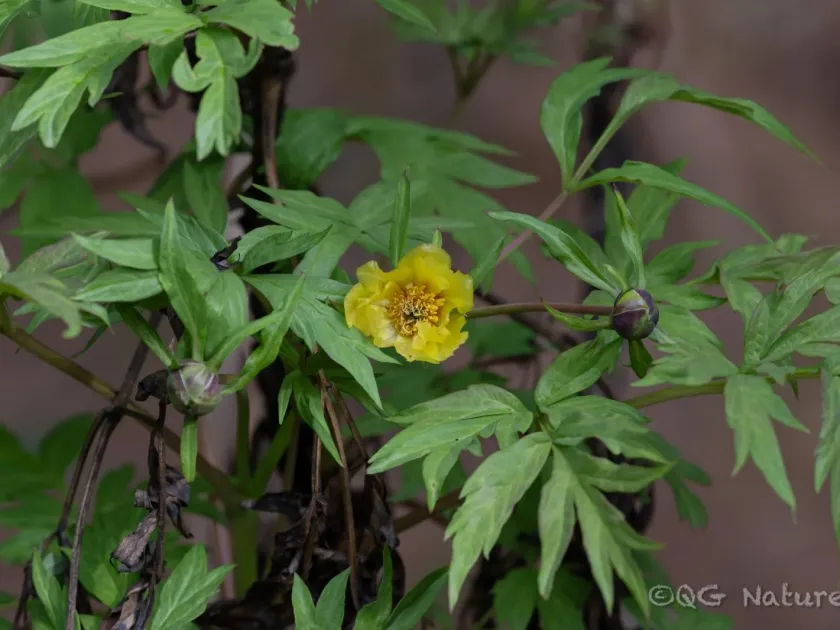
Description
Growing requirements
Ludlow's peony (Paeonia ludlowii) is a distinct species of tree peony belonging to the Paeoniaceae family. Originating from the river valleys and mountain slopes of southeastern Tibet, it is highly valued for its statuesque growth habit and large, cup-shaped yellow flowers.
The plant thrives in well-drained, fertile soil with a neutral to slightly alkaline pH. It is crucial to choose a location in the garden that provides partial shade, especially protecting the plant from the intense heat of the mid-afternoon sun.
Regarding climatic conditions, this species is remarkably cold-hardy, as it is adapted to high-altitude environments. However, it requires protection from strong, desiccating winds that can break the woody stems and damage the delicate blooms.
Cultivation practices involve maintaining a consistent moisture level during the growing season while ensuring excellent soil drainage. Overwatering or stagnant moisture in the root zone is the primary cause of plant decline for this species.
Minimal pruning is recommended, primarily focused on the removal of dead wood and damaged stems in early spring. This promotes better airflow throughout the canopy and supports the overall health and vigor of the mature shrub.
Main diseases and pests
Botrytis blight is the most common disease affecting Paeonia ludlowii, particularly during periods of high humidity. It manifests as dark, necrotic lesions on the buds, foliage, and stems of the plant.
Pests such as aphids and spider mites can infest the foliage, particularly during dry spells. These pests weaken the plant and can serve as vectors for secondary infections if not treated promptly with appropriate horticultural soaps or systemic pesticides.
Root rot is a significant threat when plants are situated in heavy, water-logged soils. Incorporating coarse drainage materials into the soil at the time of planting is essential to prevent root asphyxiation and subsequent decay.
Proper sanitation is vital in the management of this crop. Removing and destroying fallen leaves and infected plant debris at the end of the season significantly reduces the inoculum of soil-borne pathogens for the following year.
- Monitor for symptoms of chlorosis caused by nutrient deficiencies.
- Ensure adequate spacing between specimens to promote air circulation.
- Avoid overhead irrigation to minimize leaf and bud wetness.