
Lavender Broomrape
Orobanche lavandulacea Rchb.
Description
Growing requirements
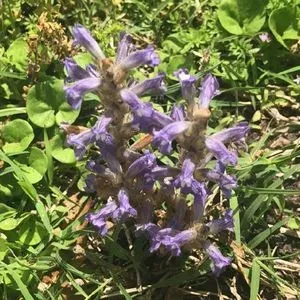
Lavender Broomrape, scientifically known as Orobanche lavandulacea, is an obligate holoparasitic plant belonging to the Orobanchaceae family. Unlike conventional plants, it lacks chlorophyll and relies entirely on a host for water and nutrients.
The native habitat of this plant includes Mediterranean regions where lavender is commercially cultivated. It thrives in sunny, open areas with well-drained, alkaline soil conditions that support its host development.
Botanically, the plant consists of a fleshy stem covered with scale-like leaves. It remains underground for most of its life cycle, emerging only when it is ready to flower and produce thousands of dust-like seeds.
The life cycle is triggered by chemical exudates (strigolactones) released by host roots. Upon detection of these signals, the broomrape seeds germinate and form haustoria, which penetrate the lavender roots to tap into the vascular system.
Climate requirements align with the host's needs: warm temperatures and moderate moisture during the spring are ideal for rapid broomrape growth. The parasite can cause complete failure of a lavender field if left unmanaged.
Main diseases and pests
The primary impact of Lavender Broomrape is the drastic reduction in lavender health and oil yield. By siphoning nutrients directly from the host roots, the parasite forces the lavender plant into a state of severe stress and decline.
Pest management is difficult because the parasite is biologically integrated with the crop. Conventional systemic herbicides are often ineffective without causing phytotoxicity to the lavender itself.
Physical control requires diligent monitoring and hand-pulling of emerging stems. It is crucial to remove the entire stem, including the underground root attachment, before the capsules mature and release seeds.
Good agricultural practice dictates strict sanitation of farm machinery used in infected areas to prevent the spread of dormant seeds to clean plots. Crop rotation is considered the most reliable long-term strategy.
Integrated Pest Management (IPM) programs now explore the use of resistant lavender cultivars and bio-fumigation. Ongoing research also evaluates the application of specific fungi that act as natural enemies to broomrape stems.