
Nothofagus solandri
Nothofagus solandri
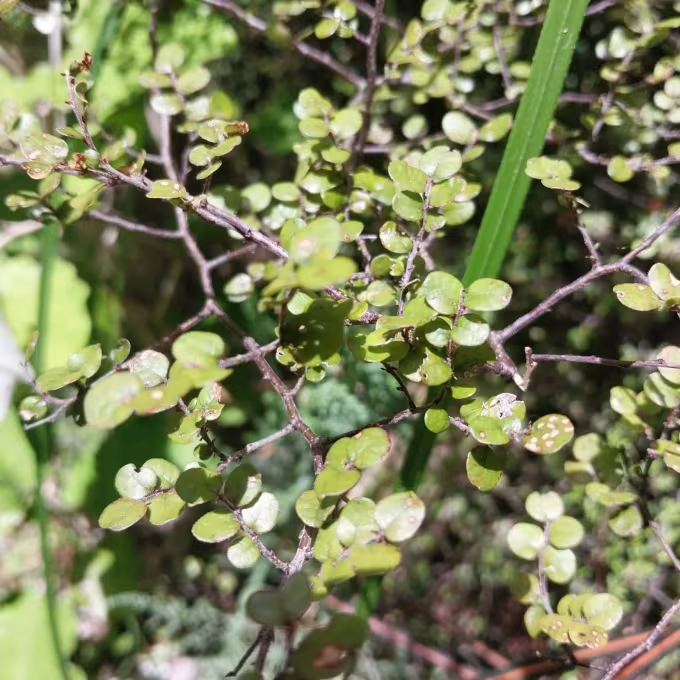
Description
Growing requirements
Nothofagus solandri, commonly known as the Black Beech, belongs to the Nothofagaceae family and is an iconic evergreen tree native to New Zealand. It thrives in cool, temperate maritime climates and is typically found in diverse forest ecosystems, often forming extensive stands.
The tree prefers well-drained, fertile soils with a slightly acidic pH. Proper drainage is absolutely critical, as the roots are highly susceptible to rot if they remain in waterlogged or overly compacted ground for extended periods.
Regarding climate, Nothofagus solandri favors regions with high humidity and stable temperatures. While it can withstand moderate frosts once established, young saplings require protection from harsh winter winds and sudden thermal fluctuations which can cause bark damage.
Cultural practices should emphasize consistent soil moisture during the first few years. Mulching around the base of the tree helps retain moisture, suppresses competing weeds, and maintains the beneficial fungal associations in the soil that the tree relies upon.
Site selection is paramount; the tree performs best in locations that provide deep soil and protection from extreme exposure. Planting should be timed to coincide with mild weather to ensure the root system is well-settled before the onset of extreme temperatures.
Yield
In a commercial forestry context, Nothofagus solandri is valued for its dense, durable timber. This wood is highly regarded for its physical properties, making it suitable for high-end carpentry, furniture production, and specialized interior woodwork.
Beyond timber production, the species plays a vital role in ecological restoration projects. Its ability to colonize diverse sites and prevent soil erosion makes it an essential component for stabilizing slopes and restoring biodiversity in native forest corridors.
Landscape utilization is equally significant, as the Black Beech is prized for its year-round foliage and graceful structure. It serves as an excellent specimen tree or an effective windbreak, providing structural density and aesthetic appeal to large gardens and parks.
Yield metrics for this species are based on long-term forestry cycles rather than annual harvests. Proper thinning and stand management practices are essential to ensure the healthy growth of individual trees and maximize the quality of the harvested wood.
Future potential lies in the continued study of its growth genetics, which may lead to faster-growing cultivars suitable for silviculture. Such advancements would increase the economic viability of sustainable forest management using this unique indigenous species.
Main diseases and pests
Young trees are frequently targeted by rodents such as possums and rats in their native range, which can strip the bark and kill the tree. Protective guards are highly recommended during the establishment phase to prevent such damage.
Fungal pathogens represent a primary health concern, often introduced through waterlogged soil conditions. Ensuring excellent soil aeration and preventing drainage issues are the most effective non-chemical preventative measures against root-related infections.
Leaf-eating insects can cause sporadic damage; however, healthy, well-nourished trees usually recover without significant long-term impact. Management focuses on monitoring to ensure infestations do not reach critical levels during the active growing season.
Environmental stressors, particularly severe droughts or excessive moisture, can predispose the tree to secondary infections. Maintaining optimal soil health and providing adequate protection from extreme weather are key to sustaining a tree's internal defense mechanisms.
Nutritional deficiencies may manifest as chlorosis in the foliage. Regular monitoring and diagnostic soil testing allow for precise fertilization, ensuring the tree maintains its vigor and resistance to the typical diseases found in forest environments.