
Mountain beech
Nothofagus cliffortioides
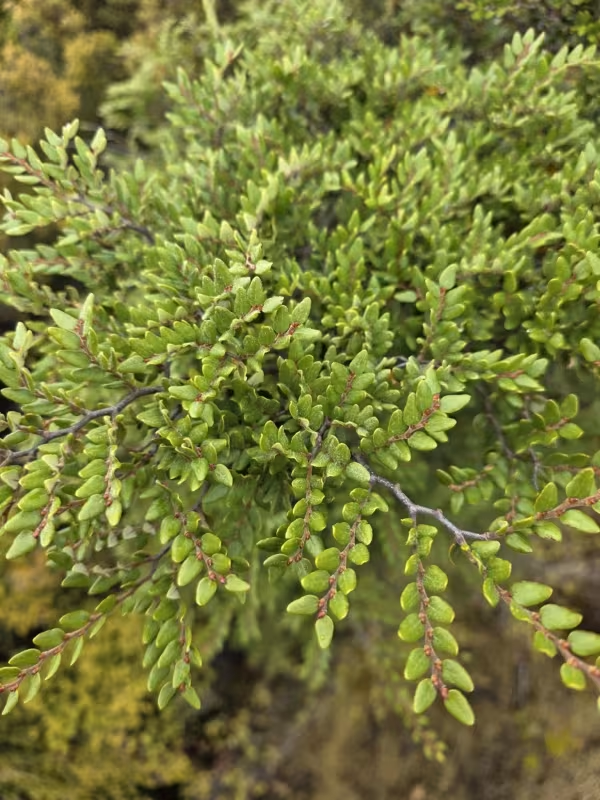
Description
Growing requirements
Mountain beech, scientifically known as Nothofagus cliffortioides, is a resilient evergreen species belonging to the Nothofagaceae family. Native to New Zealand, it forms dense forests throughout the Southern Alps and North Island highlands.
The tree exhibits slow growth and a compact habit, with small, leathery, dark green leaves. Its botanical structure is optimized for high-wind environments and cold, montane temperature gradients, making it a masterpiece of adaptation.
Successful cultivation requires soil that is acidic, well-draining, and rich in organic matter. This species is intolerant of waterlogged conditions, making appropriate site selection and drainage preparation essential for long-term survival.
Climate requirements include a temperate environment with cool summers and sufficient rainfall throughout the year. While it can withstand frost, extreme heat stress should be avoided to prevent physiological decline.
In practice, Nothofagus cliffortioides is primarily utilized for ecological restoration projects, alpine garden displays, and as a specialized specimen in arboretums due to its unique architectural crown form.
Main diseases and pests
Root rot and crown dieback are the primary threats to mountain beech, often triggered by poor drainage or excessive soil moisture. These conditions encourage pathogenic fungal development within the root zone.
Insect pests include various species of scale insects and leaf-miners that can cause chlorosis or structural damage to the foliage. Monitoring the underside of the leaves is crucial for early intervention.
Bark cankers pose a significant risk, particularly if the tree has been subjected to mechanical damage or environmental stress. Protecting the integrity of the trunk is vital for disease prevention.
Environmental stressors such as unseasonable droughts or intense heat waves may weaken the plant, making it more susceptible to secondary infestations by boring insects or opportunistic opportunistic pathogens.
Integrated pest management strategies should focus on maintaining tree vigor through proper site selection and soil health. Avoid over-reliance on chemical treatments as the foliage may show sensitivity to certain sprays.