
Nothofagus alessandrii
Nothofagus alessandrii
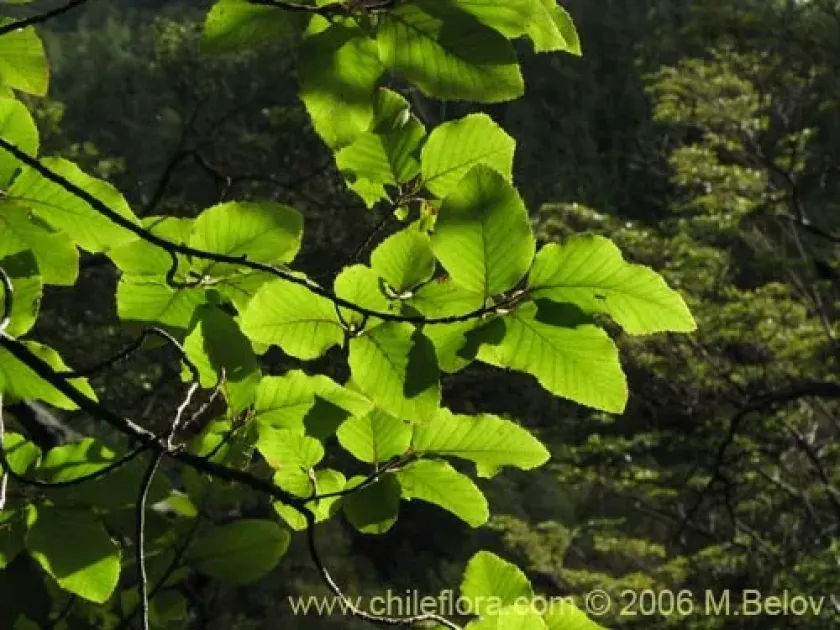
Description
Growing requirements
Nothofagus alessandrii, known locally as Ruli, belongs to the family Nothofagaceae. This tree is endemic to the temperate regions of central Chile and is considered a high-value species within the local forest management sector.
The species prefers deep, nutrient-rich, and well-drained soils found in the Andean foothills. Successful cultivation requires a stable soil moisture regime, as the tree is particularly sensitive to severe drought during its active growth phases.
As a temperate climate species, it thrives in regions with mild winters and warm summers. While the tree can withstand minor temperature fluctuations, it is susceptible to extreme frosts, which can hinder the development of young specimens.
Agronomic management involves providing adequate sunlight for optimal growth. Ruli requires significant light exposure to maintain a healthy, upright growth habit, which is essential for producing high-quality straight timber stems.
When establishing plantations, maintaining appropriate spacing between trees is crucial for airflow and nutrient distribution. This practice helps prevent overcrowding and ensures that each individual tree can reach its maximum growth potential.
Yield
The primary economic output of Nothofagus alessandrii is its high-quality timber. The wood is highly prized for its strength, durability, and aesthetic grain patterns, making it a preferred material for high-end furniture manufacturing.
Timber production from Ruli follows a long-term investment cycle, reflecting the tree's slow growth rate in its early years. Effective forest management involves systematic thinning and monitoring to ensure the harvest of premium-grade logs.
Due to its density and workability, the timber is extensively used in carpentry, flooring, and decorative interior design. Its ability to retain structure and finish makes it a staple in the Chilean wood products industry.
Beyond timber yields, the species contributes significantly to environmental sustainability. Plantations serve as a key component in ecosystem restoration, helping to prevent soil erosion and maintain local water cycles.
Optimizing the harvest involves applying modern silvicultural practices to maximize yield per hectare. By focusing on sustainable growth, producers can achieve high-value outputs while maintaining the health of the entire forest stand.
Main diseases and pests
The most critical threat to Nothofagus alessandrii is the degradation of its natural habitat. Due to its limited geographical distribution, the species faces significant risks from deforestation and changes in land use.
Pathological issues often arise from fungal infections, which are more prevalent in areas with high humidity or poor drainage. Regular inspection of the stand is required to identify and remove affected trees before the infection spreads.
Pests such as wood-boring insects pose a threat to timber quality. Mitigation strategies involve maintaining the health and vigor of the trees, as well as cleaning the forest floor of debris that could harbor such populations.
Climate change, manifesting as prolonged droughts, increases the susceptibility of the trees to environmental stress and disease. Providing adequate irrigation during dry seasons is becoming an increasingly important management task.
Integrated pest management and quarantine measures are essential to prevent the spread of diseases within plantations. Utilizing high-quality, pest-free planting stock is the foundation for establishing a productive and resilient forest.