
Nothofagus cunninghamii
Nothofagus cunninghamii
Description
Growing requirements
Nothofagus cunninghamii, commonly known as myrtle beech, is a large evergreen tree belonging to the Nothofagaceae family. It is native to the temperate rainforests of Australia, specifically found in Tasmania and the state of Victoria.
The species requires specific environmental conditions to thrive, preferring regions with cool, humid climates. High atmospheric humidity and protection from extreme summer temperatures are crucial for the tree's successful development and long-term health.
Deep, fertile soils rich in organic matter and well-drained are optimal for its growth. While the tree does not tolerate waterlogging, it demands consistent moisture levels within the root zone throughout the active growing season.
Botanically, this species is noted for its slow growth rate, a characteristic that must be considered in forest management planning. In ideal conditions, these trees can reach heights of 30 to 40 meters with trunks exceeding 1.5 meters in diameter.
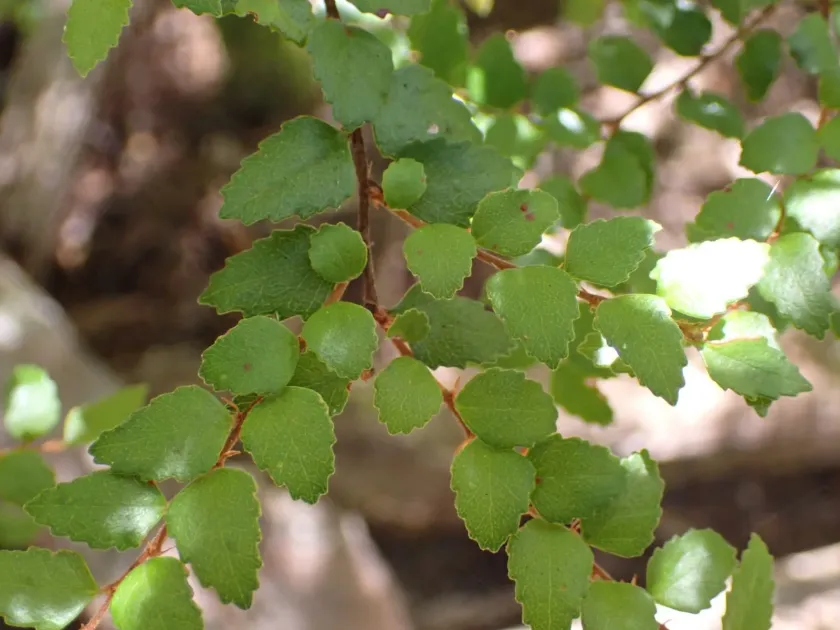
The leaves are small, serrated, and dark green, providing excellent aesthetic appeal year-round. Flowering is relatively inconspicuous as the plant relies on wind pollination, which is an important aspect of its lifecycle in dense rainforest environments.
Yield
In forestry, Nothofagus cunninghamii is highly valued for its premium timber, which is considered one of the most versatile materials in Australian carpentry. Yield is measured by the volume of high-quality lumber produced per hectare of managed forest.
The wood is dense, boasts a beautiful fine texture, and features a distinctive pinkish-brown hue. These properties make it a popular choice for high-end furniture, flooring, cabinetry, and various intricate interior woodwork applications.
Commercial use requires long production cycles, as the trees take several decades to reach harvestable maturity. Consequently, current agricultural practices emphasize sustainable forest management and natural regeneration strategies.
Beyond its industrial utility, the myrtle beech plays a vital role in local ecosystems by preventing soil erosion in mountainous terrains. The dense canopy facilitates efficient moisture capture, benefiting the surrounding forest microclimate.
The economic viability of planting this species is limited by its narrow climatic requirements; thus, most timber supply is managed through regulated harvesting that prioritizes environmental preservation and sustainable land use.
Main diseases and pests
The primary biological threat to this species is the pathogen Phytophthora cinnamomi, which causes root rot and widespread dieback. This disease poses a significant challenge to the health and survival of stands in various regions.
Pests, such as specific leaf-eating insects and wood-boring beetles, may cause localized damage to young saplings, potentially hindering early development. However, mature trees typically possess strong natural defenses against many common pests.
Climate change, manifesting as prolonged droughts and increased frequency of wildfires, represents a major risk. Given its low fire tolerance, the species is particularly susceptible to forest fires during heatwaves.
Competition from invasive plant species can suppress young growth during the initial years of establishment. Systematic weeding and site maintenance are essential agronomic practices to ensure young trees successfully reach the canopy stage.
To mitigate health risks, foresters utilize strict quarantine measures and select disease-resistant genetic variants. Ongoing annual monitoring of forest health is conducted to detect potential outbreaks early and prevent widespread ecological damage.