
Nothofagus apiculata
Nothofagus apiculata
Description
Growing requirements
Nothofagus apiculata is a distinctive tree species belonging to the Nothofagaceae family, native to the temperate forests of South America. It is highly valued in forestry for its durable timber and ecological role within its natural habitat.
This species requires a temperate climate with high humidity and moderate temperatures throughout the year. It does not thrive in regions experiencing extreme heat or prolonged drought, making it sensitive to environmental stability.
Soil requirements for this culture involve well-drained, nutrient-rich substrates. It performs best in soils with a slightly acidic pH, which mimics the natural forest floor conditions found in its native Chilean and Argentinian regions.
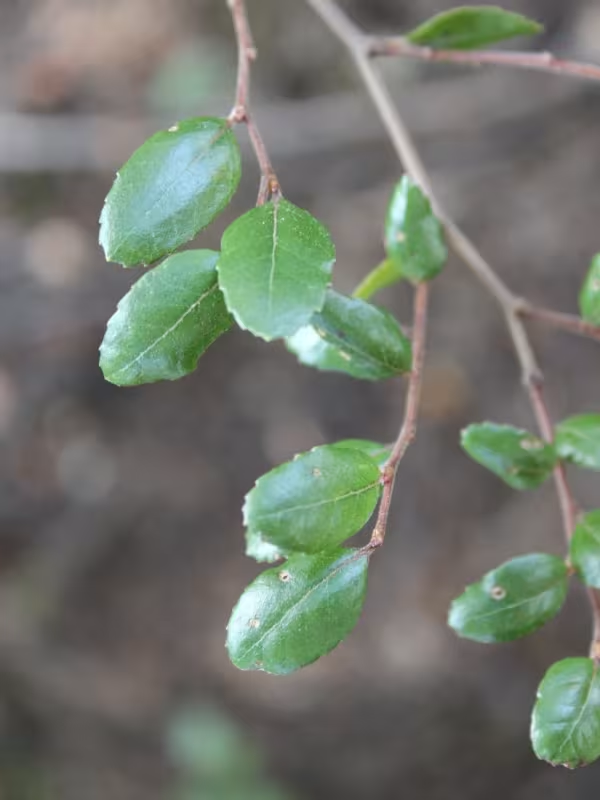
Botanically, the tree is characterized by its specific, pointed leaf shape and slow to moderate growth rate. It requires sufficient space and light penetration to develop a healthy canopy, which is essential for maximizing its wood quality.
Economically, Nothofagus apiculata is managed for high-quality wood production, often used in fine furniture making and specialized construction. Its presence also helps in watershed protection and supporting local biodiversity.
Main diseases and pests
Fungal infections are the most common threats to Nothofagus apiculata, particularly in areas with poor airflow and high moisture. Root rot is a significant risk if the planting site does not provide adequate drainage.
Various insect pests, specifically leaf-eating beetles and wood-boring larvae, can jeopardize tree health. These pests often target weakened or stressed individuals, making proper site selection a primary preventative measure.
Environmental stress caused by climate change, including shifts in seasonal rainfall patterns, poses an increasing threat to current plantations. Drought stress can lower the tree's resistance to secondary pathogen attacks.
Effective management strategies include regular forest monitoring to identify early signs of infestation or decay. Maintaining a balanced ecosystem with diverse plant species can help mitigate the spread of tree-specific diseases.
Sanitary forest management, including the removal of dead or highly symptomatic wood, is crucial for preserving the health of the entire stand. Implementing sustainable silvicultural practices ensures long-term viability for this species.