
Nothofagus alpina
Nothofagus alpina
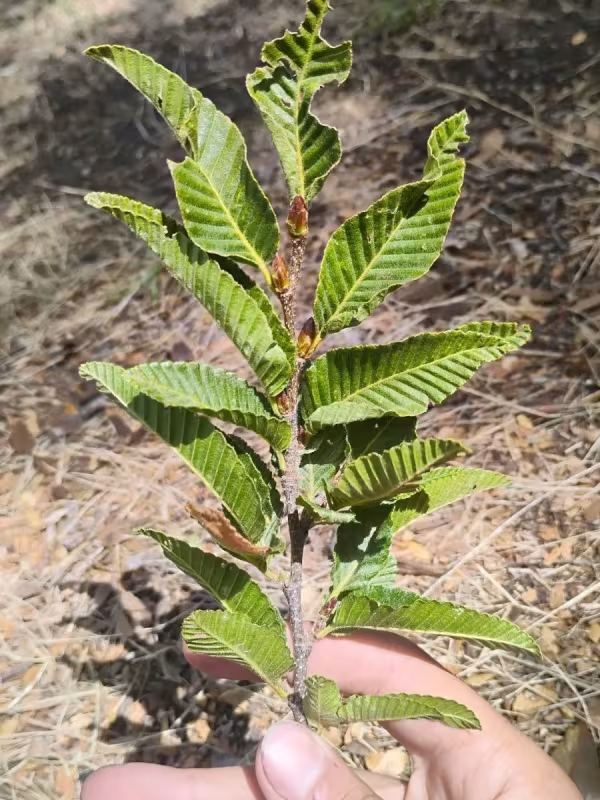
Description
Growing requirements
Nothofagus alpina, commonly known as the southern beech, belongs to the Nothofagaceae family. Native to the temperate rainforests of Chile and Argentina, this tree species is highly valued for its straight trunk and excellent wood quality.
This culture thrives in temperate oceanic climates characterized by cool summers and mild winters. It requires consistent rainfall and protection from extreme heat or prolonged drought, which can significantly stunt its growth or cause canopy dieback.
The ideal soil for Nothofagus alpina is deep, well-drained, and rich in organic matter with a slightly acidic to neutral pH. Proper soil structure is essential as the roots are sensitive to waterlogging, which often leads to root rot in poorly aerated soils.
Agronomic care involves careful site selection to avoid areas with heavy frost or desiccating winds during the establishment phase. Mulching with organic material is highly recommended to keep the soil temperature stable and retain moisture near the surface.
Economically, the species is cultivated for its high-density timber, which is used in furniture making and high-end joinery. Beyond industrial use, it serves as a majestic specimen tree in botanical gardens and temperate landscape architecture.
Main diseases and pests
The main threats to this tree include various foliar fungi that can cause premature leaf drop if moisture levels are too high. Good airflow within the plantation is the primary defense strategy against these pathogenic developments.
Pest management focuses on monitoring for aphids and leaf-eating insects that target young foliage. Integrated pest management, including the encouragement of natural predators, is the most sustainable approach for maintaining the health of a southern beech forest.