
Nothofagus dombeyi
Nothofagus dombeyi
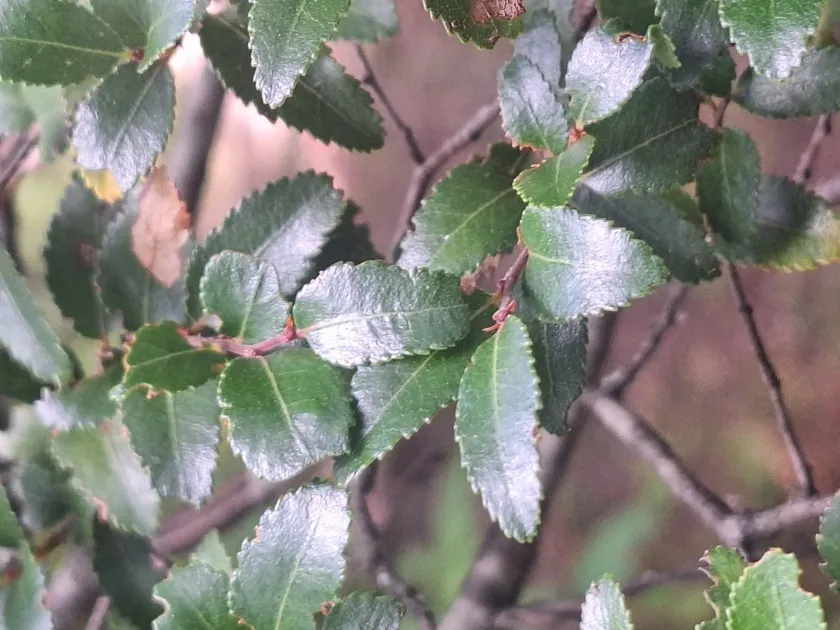
Description
Growing requirements
Nothofagus dombeyi, commonly known as Coigue, is a majestic evergreen species belonging to the Nothofagaceae family. It is recognized as one of the most important forest-forming tree species in the temperate regions of South America.
The native habitat of this species is restricted to the temperate rainforests of Chile and Argentina. It thrives in cool, humid environments where annual rainfall is consistent, allowing the tree to maintain its dense and lush foliage throughout the year.
The tree requires well-drained, nutrient-rich soils that provide stability for its massive root system. While it is adaptable to various soil types, it performs best in slightly acidic, deep substrates that prevent waterlogging and encourage deep rooting.
Agrotechnical management involves selecting sheltered locations to protect young saplings from extreme winds. During the nursery and early growth stages, shade management is critical to prevent foliage dehydration and ensure steady vertical development.
Industrially, Nothofagus dombeyi is highly valued for its durable and high-quality timber. The wood is widely utilized in heavy construction, furniture manufacturing, and decorative flooring due to its excellent mechanical properties and resistance to structural wear.
Main diseases and pests
Pathogenic fungi represent the primary threat to plantation stability, particularly when soil drainage is insufficient. These infections can lead to root rot and significant economic losses if not managed via proper irrigation control.
Pest populations, including various species of defoliating insects, can pose risks to young plantations during warmer seasons. Regular field monitoring is essential to detect early infestations and maintain the overall vigor of the forest stands.