
Nothofagus moorei
Nothofagus moorei
Description
Growing requirements
Nothofagus moorei, commonly known as the Antarctic beech or South American beech, is a majestic evergreen tree belonging to the Nothofagaceae family. It is a relict species primarily found in the cool-temperate and subtropical rainforests of eastern Australia.
The cultivation of this species requires a stable, moisture-retentive, and well-draining soil rich in organic matter. A slightly acidic pH level is preferred, which helps the tree maintain optimal nutrient uptake, characteristic of its natural habitat in forest valleys.
Regarding climate, the tree thrives in areas with consistent rainfall and cool to moderate temperatures. It is highly sensitive to extreme heat, prolonged drought, and harsh frosts, which can damage its delicate foliage and affect its long-term development.
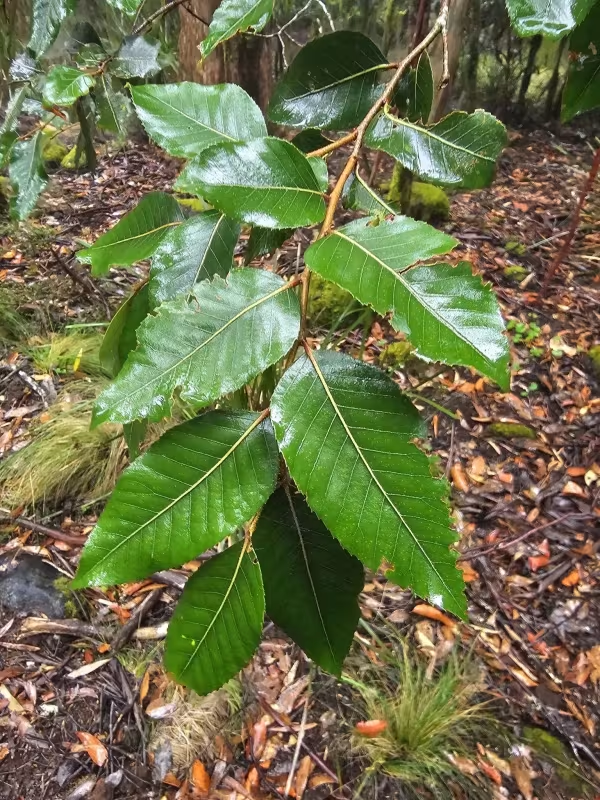
Botanically, it is known for its distinctive dark green, serrated leaves and a slow, steady growth habit. The tree structure is dense, often forming a thick canopy that provides significant shade and supports a unique microclimate beneath its branches.
Agrotechnical management includes regular mulching of the root zone to mimic the forest floor environment. This practice preserves essential soil moisture and keeps the roots cool during warmer periods, which is vital for maintaining the tree's overall vigor and health.
Main diseases and pests
The most significant threats to Nothofagus moorei include soil-borne pathogens, specifically Phytophthora species, which cause root rot. Ensuring perfect drainage is the most effective preventative measure against these devastating infections.
Pests such as scale insects and various leaf-chewing larvae can inflict damage on the canopy, particularly on young growth. Integrated pest management strategies, involving biological controls and mechanical removal, are recommended to protect the tree’s aesthetics.
Environmental stress factors, such as wind burn or drought, can weaken the plant, making it more susceptible to opportunistic fungal infections. Maintaining consistent irrigation levels is essential for mitigating the negative impact of environmental fluctuations.
Proper sanitation, including the removal of dead or decaying wood, is critical to preventing the spread of diseases within the planting site. This improves airflow and light penetration, reducing the humidity levels that favor fungal development.
When introducing this species to new regions, it is crucial to screen nursery stock for latent infections. Healthy, vigorous plants are inherently more resistant to local threats, underscoring the importance of using certified propagation materials.