
Nothofagus leonii
Nothofagus leonii
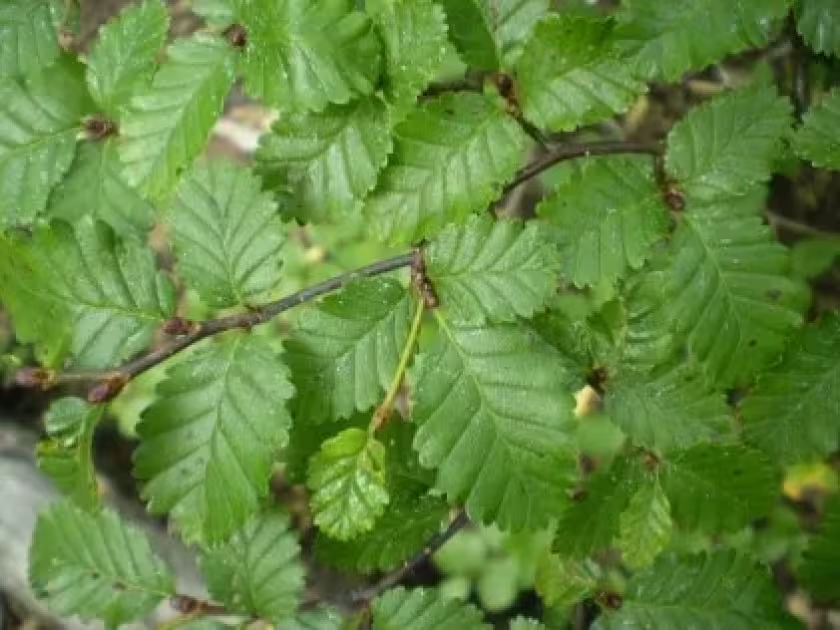
Description
Growing requirements
Nothofagus leonii, a notable member of the Nothofagaceae family, is a tree species native to the temperate forests of South America. It is recognized for its ecological importance and its role in sustainable forest management practices.
The species thrives in deep, fertile soils that provide excellent drainage. A slightly acidic to neutral soil pH is preferred, as it ensures the efficient uptake of essential nutrients necessary for robust vegetative growth.
Regarding climate, Nothofagus leonii requires a temperate, moisture-rich environment. It is sensitive to extreme drought and direct exposure to harsh, drying winds, which can negatively impact its canopy development and overall health.
In terms of light, juvenile trees require partial shade to protect them from excessive solar radiation. As the trees mature, they become more tolerant of direct light, although maintaining optimal forest canopy density remains crucial for their long-term development.
Agronomic management involves regular monitoring of soil moisture levels to prevent the extremes of waterlogging or drought. Implementing organic mulching around the root zone helps regulate soil temperature and promotes a healthy soil micro-environment.
Yield
The primary economic use of Nothofagus leonii is timber production. The wood is highly valued for its mechanical strength, durability, and fine grain, making it an excellent choice for high-end furniture manufacturing and cabinetry.
Yield metrics for this species are determined by annual biomass accumulation and the volume of high-quality timber harvested per hectare. Proper forest management, including selective thinning, is essential to maximize the yield of marketable wood products.
Beyond timber, the species is frequently utilized in ecological restoration projects and landscape architecture. Its ability to create dense, stable forest stands provides significant environmental benefits, including soil stabilization and habitat creation.
Industrial processing of Nothofagus timber requires specialized techniques to ensure optimal drying and finishing. When managed correctly, the harvested wood offers consistent performance, meeting the high demands of the construction and interior design industries.
Strategic plantation development focuses on long-term growth cycles to ensure a sustainable supply of raw materials. Economic returns are influenced by plantation density, site preparation, and the rigorous application of silvicultural practices.
Main diseases and pests
Nothofagus leonii is susceptible to several fungal diseases, particularly those that target the vascular system and bark. These pathogens often thrive in high-humidity environments, posing a significant risk to the health of forest stands.
Leaf-eating insects and various pests can cause considerable damage, especially to young or stressed trees. Effective monitoring programs are required to detect infestation outbreaks early and to apply targeted control strategies.
Poorly drained soils are a major threat, as they create conditions conducive to root rot. Ensuring proper site drainage is the most effective preventative measure against these systemic issues in both plantations and wild-growth areas.
Sanitation practices, such as the removal of infected plant debris, are critical for minimizing disease transmission within a stand. This approach reduces the inoculum load and helps protect the long-term integrity of the forest resources.
Integrated pest management, which combines biological control methods and regular monitoring, is highly recommended. This sustainable approach helps maintain plant vigor and limits the need for chemical intervention in the forest ecosystem.