
Nothofagus glauca
Nothofagus glauca
Description
Growing requirements
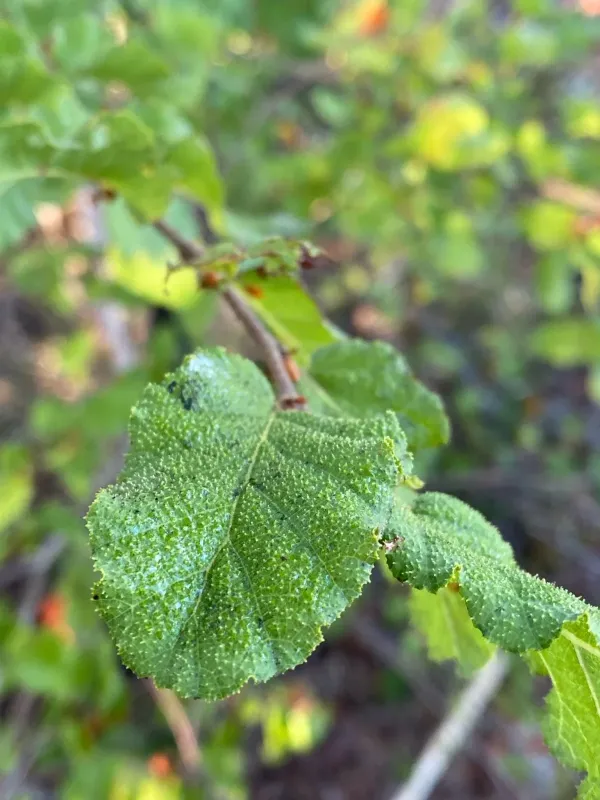
Nothofagus glauca, commonly known as Hualo, is a notable species belonging to the Nothofagaceae family, native to central Chile. This deciduous tree is recognized for its unique bluish-grey foliage and its capacity to thrive in Mediterranean-like climates with maritime influence.
The plant requires deep, well-drained, and slightly acidic soils rich in organic matter to reach its full potential. Heavy clay soils that tend to compact or waterlog must be avoided, as the root system is highly sensitive to hypoxia and root-rotting pathogens.
Optimal environmental conditions involve cool to moderate temperatures and high atmospheric humidity. In its natural range, the tree benefits from seasonal precipitation, which sustains its growth cycle, making supplemental irrigation essential during prolonged dry spells in cultivation settings.
Site selection is critical; the tree prefers sheltered locations away from severe, desiccating winds that can damage the delicate leaves and branch structure. It is moderately shade-tolerant during the juvenile stage but requires more sunlight as it matures.
Economic and ecological applications include its role in forest restoration and the production of high-quality, durable timber used in specialty woodworking. Its aesthetic appeal also makes it a prized specimen for temperate arboretums and botanical collections.
Main diseases and pests
Root pathogens, particularly fungi thrive in poorly drained soils, represent the most significant threat to the health of Nothofagus glauca. Maintaining proper soil moisture balance is the primary preventative measure against such infections.
Defoliating insects can pose risks during the vegetative season, often targeting stressed trees. Integrated pest management (IPM) practices, including regular monitoring and promoting predatory insect populations, are recommended to maintain tree vigor.
Environmental stress, driven by climate fluctuations, may predispose the trees to bark borers and other opportunistic wood-boring insects. Ensuring the tree has adequate hydration and nutrition is the best defense against these infestations.
Mechanical injuries to the trunk or branches must be managed carefully, as the tree is susceptible to wood-decay fungi entering through wounds. Proper pruning techniques should be applied to prevent the creation of large, slow-healing surfaces.
Young plantations are especially vulnerable to browsing by herbivores, requiring protective fencing during the first years of establishment to ensure healthy vertical growth and development of a strong root system.