
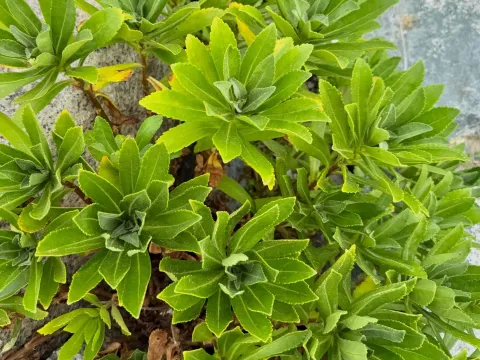
Nipponanthemum
Nipponanthemum (Kitam.) Kitam.
Nipponanthemum, a monotypic genus in the Asteraceae family, is commonly propagated through vegetative division of established clumps in early spring.
What the section contains

Nipponanthemum
Seeds can also be used for propagation; however, they require a cold stratification period of several weeks to break dormancy and ensure high germination rates.
Sowing should be performed in a controlled environment or greenhouse during the late winter months to prepare strong seedlings for transplanting.
Once the risk of frost has passed in late spring, seedlings can be hardened off and planted into permanent locations in the garden or field.
Proper spacing of 40 to 50 centimeters between plants is essential to allow for the natural spread of the woody base and to maintain airflow.
This species thrives in full sun exposure, which is critical for preventing leggy growth and ensuring the development of a dense, shrub-like habit.
The ideal soil for Nipponanthemum is well-drained, fertile, and moderately moist, reflecting the coastal rocky conditions of its native Japanese habitat.
Poor drainage is the primary enemy of this plant, so adding grit or coarse sand to heavy soils is highly recommended to prevent waterlogging.
The plant is hardy but benefits from a protective mulch layer in colder regions to prevent deep freezing of the soil around the crown.
Regular maintenance involves pruning back old stems in early spring to encourage fresh, vigorous growth and to maintain the plant's aesthetic shape.
Fungal pathogens such as powdery mildew can affect the foliage during periods of high humidity and stagnant air circulation around the plants.
Root rot is a major threat caused by overwatering or soil that remains saturated for extended periods during the dormancy phase.
Aphids and spider mites are common pests that target the soft growth of the plant, often appearing during warm and dry weather conditions.
To minimize disease pressure, it is vital to avoid overhead watering and to keep the soil surface around the plants free of debris.
Implementing a regular integrated pest management plan, including the use of soaps or systemic fungicides, is effective in maintaining plant health.