
Nipponanthemum nipponicum
Nipponanthemum nipponicum (Franch. ex Maxim.) Kitam.
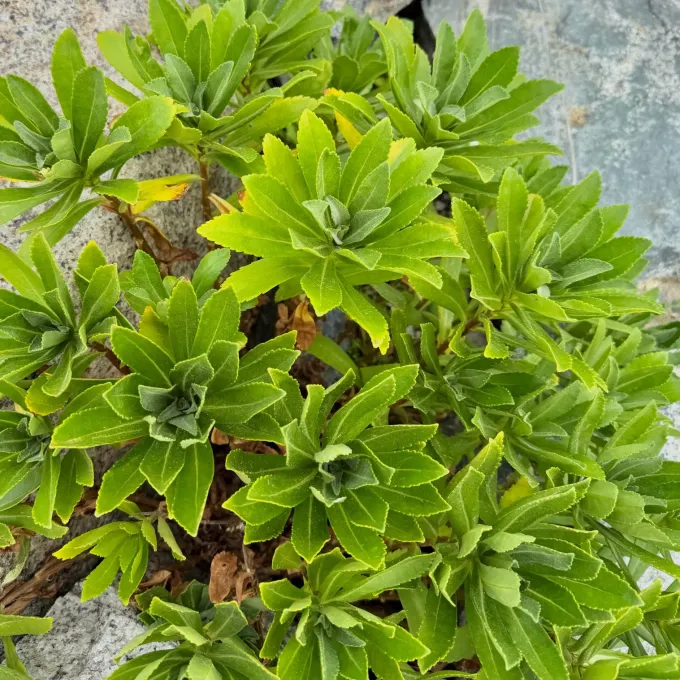
Description
Sowing dates
Propagation of Nipponanthemum nipponicum is typically performed through division of the root system or by using stem cuttings. Spring is the preferred season for these activities, ensuring that the new plants establish a strong root system before the onset of winter.
Seed propagation is possible but is less common in agricultural and nursery settings. Seeds should be started indoors in late winter, providing consistent warmth and moisture, followed by hardening off before transplanting into the outdoor garden soil.
The spacing for individual plants should be carefully considered, allowing for a spread of up to 60 centimeters. Providing adequate space is crucial for air circulation, which significantly reduces the risk of foliar fungal diseases in dense foliage.
When transplanting, it is vital to ensure that the site is well-drained and the planting hole is rich in organic matter. Avoid burying the crown of the plant too deep, as this can lead to rot at the base of the stems.
Initial irrigation is necessary to eliminate air pockets around the roots, followed by a consistent watering schedule during the first growing season. Once established, the plants exhibit moderate drought tolerance.
Growing requirements
Nipponanthemum nipponicum, a member of the Asteraceae family, is a perennial plant native to the rocky coastal areas of Japan. It requires full sunlight exposure to maintain its sturdy, upright growth habit and to promote abundant flowering in the late season.
Soil conditions must be sandy, well-draining, and slightly alkaline or neutral. The plant is sensitive to waterlogged environments; therefore, in areas with heavy clay soil, it is essential to amend the planting site with gravel or coarse sand to improve drainage.
The plant is well-adapted to coastal climates with high humidity, yet it is versatile enough to thrive in various inland environments. It is generally hardy, though it benefits from protective mulch in regions that experience severe frost and temperature fluctuations.
Maintenance involves routine pruning of the old flower heads to tidy the plant's appearance. A mid-summer trim is recommended to encourage a more compact and bushy growth structure, preventing the stems from becoming leggy or top-heavy.
Regular fertilization with a balanced, slow-release fertilizer at the beginning of the growing season supports the plant's nutritional requirements. Avoid excessive nitrogen late in the season, as it can result in soft growth that is susceptible to damage.
Main diseases and pests
The primary threats to Nipponanthemum nipponicum are associated with high humidity and poor air circulation. Fungal diseases such as powdery mildew may appear as white spots on the foliage, requiring immediate treatment with appropriate fungicides.
Root rot is a critical issue that occurs when the plant is kept in saturated soil for extended periods. Ensuring a proper drainage system is the most effective preventative measure against this type of fungal infection.
Aphids are the most common insect pests that attack the succulent growth of the plant. Monitoring for these pests on the underside of leaves and on the developing flower buds is essential for timely intervention and control.
Spider mites may become problematic during periods of hot, dry weather. They feed on plant sap, causing the foliage to yellow and lose its vitality, which can be mitigated by keeping the plant adequately hydrated and using miticides if necessary.
Slugs and snails can also damage young shoots, especially in the spring. Using protective barriers or organic baits around the base of the plant can effectively manage these pests without harming the surrounding beneficial ecosystem.