
Nepenthes sibuyanensis
Nepenthes sibuyanensis Nerz
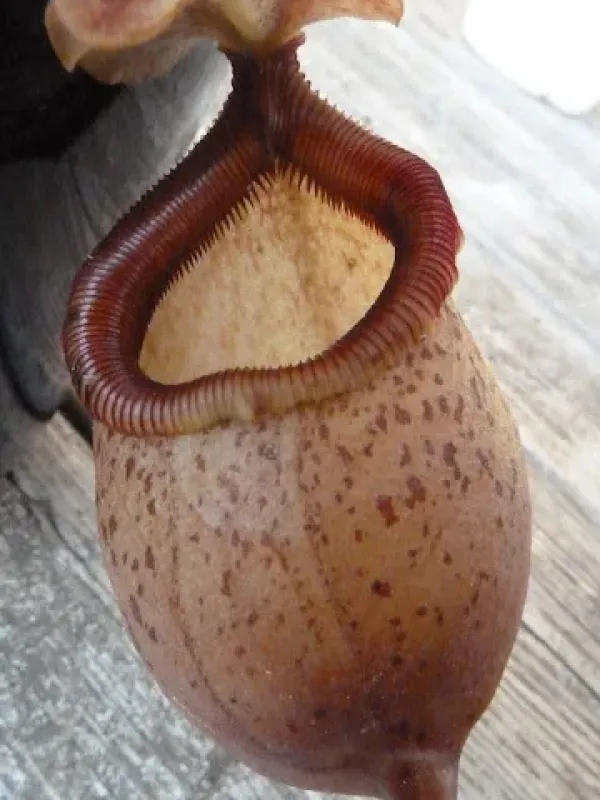
Description
Sowing dates
Propagation of Nepenthes sibuyanensis is primarily achieved through stem cuttings. This method ensures that the genetic traits of the parent plant are preserved and allows for a more predictable development of the offspring.
Cuttings should be taken during the active growth phase, typically in late spring or early summer. They must be placed in a humid, sterile medium like pure long-fiber sphagnum moss to encourage root initiation.
Seed propagation is possible but challenging due to the limited viability of fresh seeds. If seeds are available, they should be sown on a fine, well-draining surface and kept under constant high humidity and warm temperatures.
Germination for this species is slow and can take several weeks or even months. Seedlings are extremely delicate and require a strictly controlled environment to avoid desiccation or fungal infections.
Once established, young plants should be gradually acclimated to the adult growing environment. Constant monitoring of moisture levels is crucial during the early stages of development to prevent root damage.
Growing requirements
Nepenthes sibuyanensis is a highland species endemic to Mount Sibuyan in the Philippines. It thrives best in environments that provide a distinct difference between day and night temperatures, mimicking its montane habitat.
High humidity levels, ranging from 70 percent to 90 percent, are essential for the formation of its characteristic large, rounded pitchers. Automated misting systems are recommended for greenhouse settings.
The substrate must be extremely airy and low in nutrients. A mixture of live sphagnum moss, bark, and perlite is ideal to ensure proper aeration for the roots while maintaining necessary moisture.
Water quality is of paramount importance. Only distilled, deionized, or reverse osmosis water should be used, as this species cannot tolerate the dissolved mineral content found in municipal water supplies.
Bright, indirect light is required for optimal photosynthesis and pitcher development. While the plant appreciates high light intensity, direct tropical sunlight can scorch the leaves and must be diffused.
Main diseases and pests
Fungal pathogens such as leaf spot and root rot are the primary threats to this species, usually caused by stagnant air and waterlogged soil conditions. Good air circulation is the best preventative measure.
Pests like mealybugs and spider mites are common in indoor or greenhouse collections. These pests can severely weaken the plant and hinder the development of new pitchers if not detected early.
Aphids may occasionally attack the tender growing points of the plant. Their feeding activity causes growth distortion and makes the plant susceptible to secondary bacterial or fungal infections.
Pest control should be approached with caution. Many commercial pesticides are too harsh for carnivorous plants and can cause severe phytotoxicity, potentially killing the plant instantly.
Integrated pest management, including regular inspection and the use of physical removal or mild, plant-safe soaps, is the preferred strategy for maintaining the health of the collection.