
Nepenthes lingulata
Nepenthes lingulata Chi. C. Lee et al.
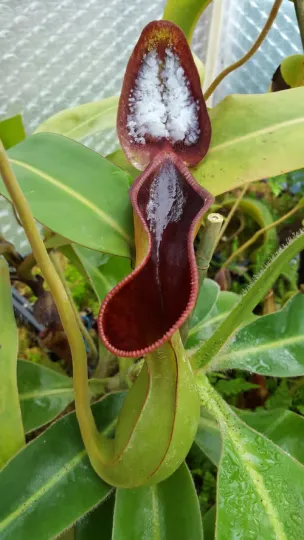
Description
Growing requirements
Nepenthes lingulata is a remarkable carnivorous plant species belonging to the Nepenthaceae family, endemic to the highlands of Sumatra, Indonesia. It thrives in mossy, humid forests at altitudes ranging from 1600 to 2100 meters, which defines its specific high-altitude climate requirements.
This species requires high ambient humidity, ideally maintained between 70% and 80%, to support the development of its specialized trapping structures known as pitchers. It is essential to provide a temperature drop between day and night, simulating the cool mountain environment it originates from.
For successful cultivation, the plant requires a highly porous, nutrient-poor substrate that mimics its natural epiphyte niche. A mixture composed of live sphagnum moss, perlite, and orchid bark is often used to ensure excellent drainage and root aeration, preventing the risk of suffocation.
Light intensity should be high but diffused to prevent leaf scorching. Nepenthes lingulata is best grown under artificial LED grow lights or in greenhouses where the intensity can be carefully managed to maintain a photoperiod of approximately 12–14 hours throughout the year.
Watering must be strictly performed with purified water, such as distilled or reverse osmosis water, as the species is highly sensitive to mineral buildup. The substrate should be kept consistently moist but never waterlogged, ensuring that the water drains freely through the pot's drainage holes.
Main diseases and pests
Fungal pathogens and root rot are the primary threats, particularly in environments with poor airflow and high humidity. Maintaining proper ventilation and ensuring the substrate does not stay stagnant is essential to prevent these issues from compromising the plant's health.
Common pests such as mealybugs and spider mites can attack the growing points and leaves if the plants are stressed by inappropriate conditions. Immediate intervention is required to manage infestations, using gentle biological controls to avoid damaging the plant's sensitive biological mechanisms.