
Nepenthes ampullaria x ventricosa
Hybrids between Nepenthes ampullaria and Nepenthes ventricosa
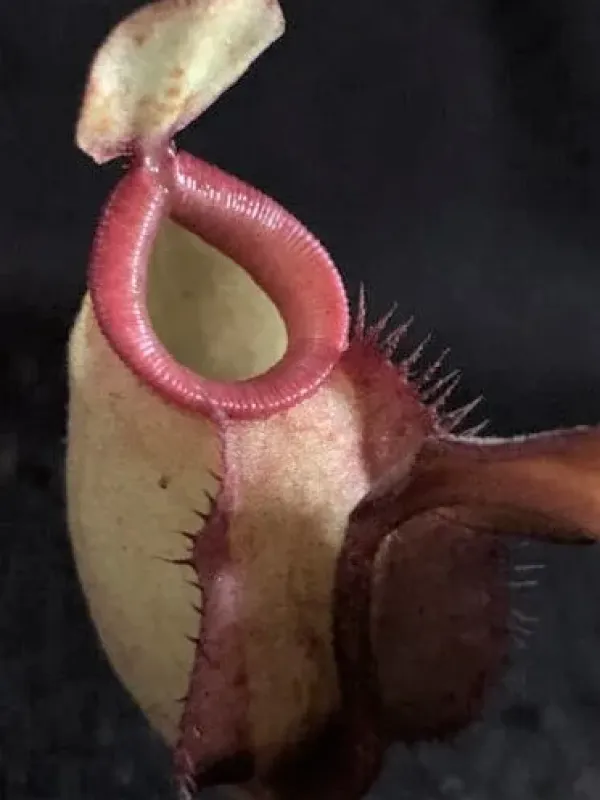
Description
Growing requirements
The Nepenthes ampullaria x ventricosa is a striking hybrid of the Nepenthaceae family, valued for its unique, colorful pitchers. This cross combines the fast-growing, terrestrial nature of N. ampullaria with the structural robustness and cold tolerance of N. ventricosa.
To ensure healthy growth, the plant requires a warm tropical environment with temperatures ranging between 18 and 28 degrees Celsius. Stability is essential, as significant fluctuations can cause the plant to drop its pitchers or slow its vegetative development.
High relative humidity, ideally kept between 65% and 85%, is critical for the development of healthy pitchers. If grown in living rooms, the use of ultrasonic humidifiers or enclosed terrariums is highly recommended to maintain these moisture levels.
The potting medium must be exceptionally well-draining and low in dissolved minerals. A mixture of long-fibered sphagnum moss, perlite, and pine bark is standard, as it provides the airy structure the roots require to avoid suffocation and rot.
Light intensity should be bright and indirect. Morning sun is generally tolerated, but high-noon sunlight can easily scorch the delicate foliage. Consistent light exposure ensures the plant maintains its metabolic rate and produces adequate amounts of digestive enzymes.
Main diseases and pests
Mealybugs are one of the most common pests, often hiding in the crevices of the leaf axils. Due to the plant's sensitivity to oils and harsh chemicals, pests should be manually removed with alcohol-dipped swabs to avoid foliage damage.
Root rot is the most common cause of failure in Nepenthes cultivation. It usually occurs when the plant is kept in waterlogged, stale soil, preventing the roots from receiving oxygen and encouraging the proliferation of anaerobic bacteria.
Aphids can infest the newly emerging leaves and tendrils, causing stunted or twisted growth. If an infestation occurs, it is best to use biological controls or systemic insecticides labeled safe for sensitive carnivorous plants.
Fungal leaf spot pathogens may appear if there is high humidity combined with poor airflow. Ensuring that air is moving constantly around the plant will drastically reduce the risk of mold and leaf-borne fungal infections.
Finally, avoid over-fertilization. Unlike traditional agricultural crops, carnivorous plants obtain most of their nitrogen from trapped insects. Excess minerals in the soil or foliar feed can quickly cause necrosis in the root system and pitcher tissue.