
Nepenthes alata
Nepenthes alata Blanco
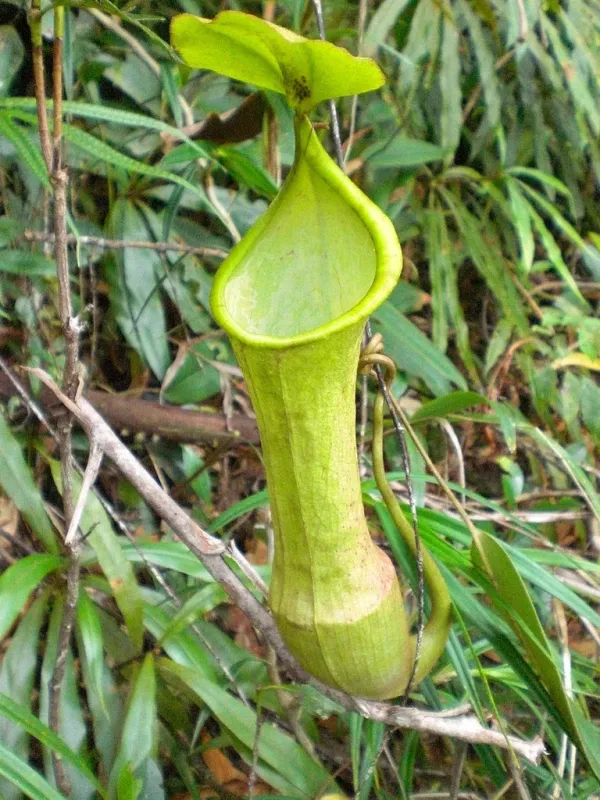
Description
Growing requirements
Nepenthes alata is a striking carnivorous plant from the Nepenthaceae family, native to the tropical forests of the Philippines. It is widely recognized in horticulture for its specialized leaf-pitchers, which it uses to trap and digest insects as a nitrogen source.
This species requires high humidity levels, ideally maintained between 70% and 85%. In a domestic or agricultural environment, such conditions are best achieved within dedicated greenhouses, terrariums, or climate-controlled glass cases.
The substrate must be highly porous, well-draining, and nutrient-poor. A standard mixture includes long-fibered sphagnum moss and perlite or pumice to ensure roots receive adequate oxygen while retaining just enough moisture for healthy development.
Temperature management is critical for the long-term health of the plant. Daytime temperatures should ideally range from +22°C to +28°C, while nighttime drops are beneficial for the plant's metabolic processes and overall vitality.
Light intensity significantly influences the coloration and pitcher formation. While bright indirect light is necessary for photosynthesis, intense direct sunlight must be filtered to prevent the delicate foliage from suffering heat stress or tissue damage.
Main diseases and pests
Pests such as mealybugs and spider mites are frequent threats, especially if the ambient humidity drops below the recommended threshold. These pests cluster in the growth tips and pitcher openings, weakening the plant significantly.
Root rot, often caused by stagnant water and poor substrate aeration, is the most common physiological disorder. Ensuring that the pot has proper drainage and that the water used is distilled or reverse-osmosis is essential to prevent mineral buildup and bacterial rot.
Fungal infections, including leaf spot and crown rot, can occur if there is insufficient airflow around the plant. Proper ventilation is vital to maintain a healthy microclimate and prevent the growth of harmful pathogens on the foliage.
Excessive fertilizer application is a frequent cause of plant decline. Since Nepenthes evolved in nutrient-deficient soils, any significant mineral concentration in the potting mix will lead to root burn and premature death of the pitchers.
To manage pest populations, gardeners should focus on biological control agents or soft insecticidal soaps. Always test any treatment on a small portion of the plant first, as the pitchers are particularly sensitive to chemical sprays.