
Nepenthes mira
Nepenthes mira Jebb & Cheek
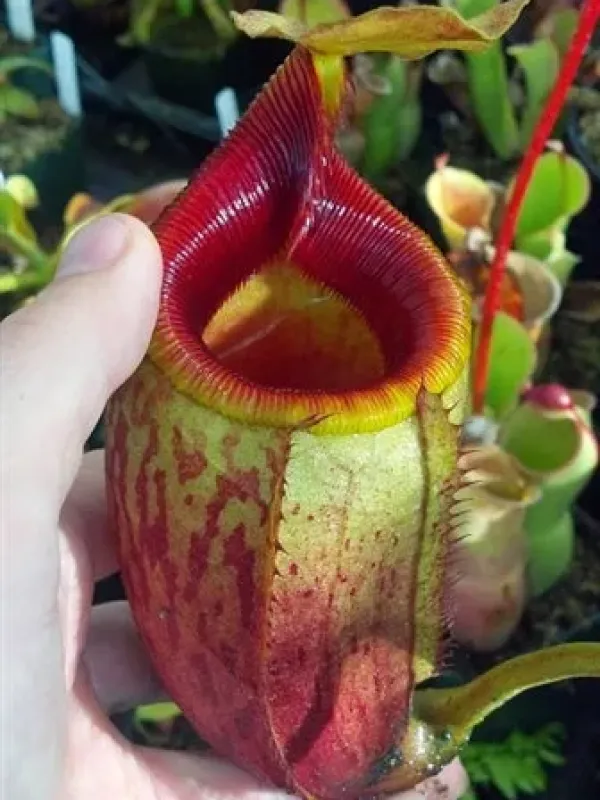
Description
Growing requirements
Nepenthes mira is an exquisite carnivorous plant species belonging to the Nepenthaceae family. It is endemic to the Philippines, specifically found on the island of Palawan. This species is highly valued in botanical collections for its unique morphology and specialized survival mechanism.
The climate requirements for Nepenthes mira reflect its high-altitude habitat. It thrives in environments with daytime temperatures between 18°C and 25°C and requires a significant drop in temperature during the night. High humidity, maintained consistently between 70% and 90%, is essential for the healthy development of its pitchers.
The substrate must be extremely well-draining, nutrient-poor, and airy. A professional mix usually consists of long-fiber sphagnum moss, perlite, and coarse bark. This mimics the nutrient-deficient, rocky soil found in its natural habitat, preventing root suffocation and disease.
Cultivation requires bright, indirect lighting. Direct sunlight is generally too intense and can scorch the foliage of the plant. Indoor growers should utilize high-quality full-spectrum LED lighting to simulate the conditions of a tropical highland ecosystem.
Irrigation is a critical aspect of plant management. Only distilled, deionized, or pure rainwater should be used, as Nepenthes are highly sensitive to mineral buildup. Watering the substrate directly while keeping the crown free from excessive standing water prevents most common physiological disorders.
Main diseases and pests
Fungal infections, such as root rot and leaf spot, represent the primary threats to Nepenthes mira. These diseases thrive in environments with poor air circulation and excessive moisture, making proper ventilation in the growing space a non-negotiable requirement.
Common agricultural pests like spider mites, mealybugs, and aphids can significantly hinder plant growth by sapping vital nutrients. If left untreated, these infestations can lead to physical deformities and secondary infections that may kill the specimen.
Inappropriate fertilization is a major risk factor. Unlike traditional agricultural crops, Nepenthes derive their nutrition from trapped prey, not from soil minerals. Over-fertilizing can lead to severe osmotic stress and salt toxicity, which manifests as brown leaf tips and root dieback.
Physical damage to the pitchers can lead to localized necrosis. While the plant may survive such damage, it reduces the photosynthetic capacity and the plant's ability to supplement its nutrient intake, potentially leading to slow growth and weakened development.
Maintaining a strictly sterile and controlled environment is the best defense against threats. Regular inspection of the plant's leaves and pitchers allows for early detection of potential outbreaks, ensuring the long-term survival of this rare species.