
Nepenthes ampullaria
Nepenthes ampullaria Jack
Description
Growing requirements
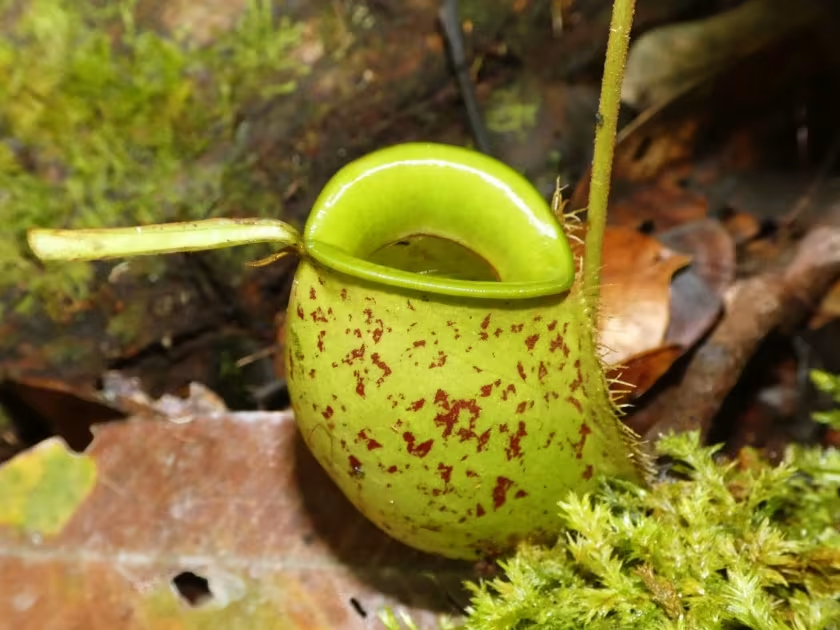
Nepenthes ampullaria is a distinct species of carnivorous tropical pitcher plant belonging to the Nepenthaceae family. Unlike most of its genus, this plant has adapted to capture falling leaf litter and detritus in its pitchers, functioning as a specialized organic recycler in its natural ecosystem.
The plant originates from the tropical rainforests of Southeast Asia, specifically across the Malay Peninsula, Borneo, and Sumatra. Its natural habitat is characterized by high ambient humidity and year-round stable temperatures, which are essential prerequisites for successful greenhouse production.
The agronomy of Nepenthes ampullaria requires a strictly inert, acidic, and well-draining growing medium. A blend of live or dried sphagnum moss combined with perlite or orchid bark is standard practice to ensure adequate aeration and moisture retention for the sensitive root system.
Water quality is a critical parameter; the use of distilled, reverse osmosis, or rain water is mandatory. The accumulation of mineral salts from tap water will rapidly cause root necrosis and foliage chlorosis, significantly reducing the commercial and aesthetic value of the plant.
Light levels should be carefully moderated to provide high-intensity diffuse light. While the species can tolerate lower light levels compared to other Nepenthes, achieving optimal pitcher development depends on consistent lighting and proper humidity levels between 70% and 90% throughout the day.
Main diseases and pests
Root pathogens, particularly Pythium and Phytophthora species, represent the primary threat to the longevity of the crop. These are usually introduced through contaminated irrigation water or poor substrate drainage, necessitating the use of specialized fungicides and sterilization of equipment.
Insect pests such as thrips, mealybugs, and scale insects frequently infest the succulent leaves. Integrated pest management protocols, including the introduction of natural predators or targeted chemical treatments with horticultural oils, are essential to maintain crop health during the vegetative stage.