
Siberian Juniper
Juniperus communis L. var. saxatilis Pall.
Description
Growing requirements
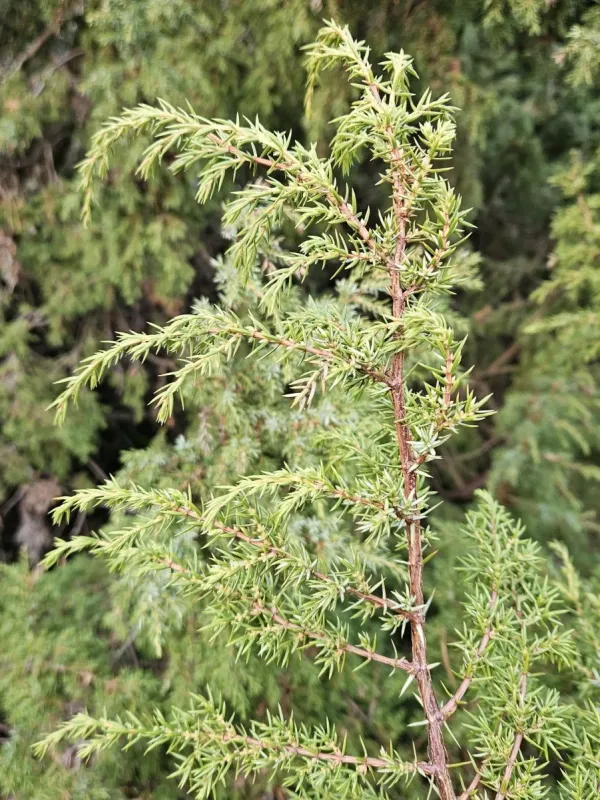
Siberian Juniper (Juniperus communis L. var. saxatilis Pall.) is a low-growing, evergreen shrub belonging to the Cupressaceae family. It is highly valued for its resilience and adaptability to harsh, mountainous environments.
The plant thrives in well-drained, rocky, or sandy soils and is surprisingly tolerant of poor nutrient conditions. It prefers full sun exposure to maintain its dense, prostrate form and vibrant needle color throughout the year.
Climate adaptability is one of the key strengths of this species. It is extremely hardy and can withstand freezing temperatures, strong winds, and prolonged periods of drought, making it an excellent choice for northern or alpine landscape projects.
Agricultural management requires careful attention to soil drainage at the time of planting. Since the species is sensitive to waterlogged conditions, incorporating gravel or coarse sand into the substrate is essential to prevent root rot.
Maintenance is relatively low, focusing mainly on removing damaged branches in early spring. Fertilization is generally not required unless the soil is exceptionally depleted, in which case a light application of a conifer-specific fertilizer is recommended.
Main diseases and pests
The primary health threats for Siberian Juniper include fungal diseases such as juniper rust and needle blight (shutte). These conditions are typically triggered by poor air circulation and excessive humidity levels during the growing season.
Pests like the juniper scale and aphids are known to feed on the plant, causing yellowing and dieback of the foliage. These insects can significantly weaken the shrub if they are not detected and treated early.
Spider mites can also be a problematic issue, particularly in hot, dry summers. These tiny pests thrive in dry conditions and can cause the needles to turn bronze or lose their color, often leading to premature needle drop.
Control strategies involve the application of appropriate systemic insecticides and acaricides when infestations are identified. Preventive measures such as choosing well-ventilated planting sites are highly effective.
Regular monitoring of the foliage is essential to detect any signs of infestation or infection early. Keeping the area free of debris and ensuring the plant receives adequate space will help maintain its vigor and resistance to pathogens.