
Minuartia villarsii
Minuartia villarsii
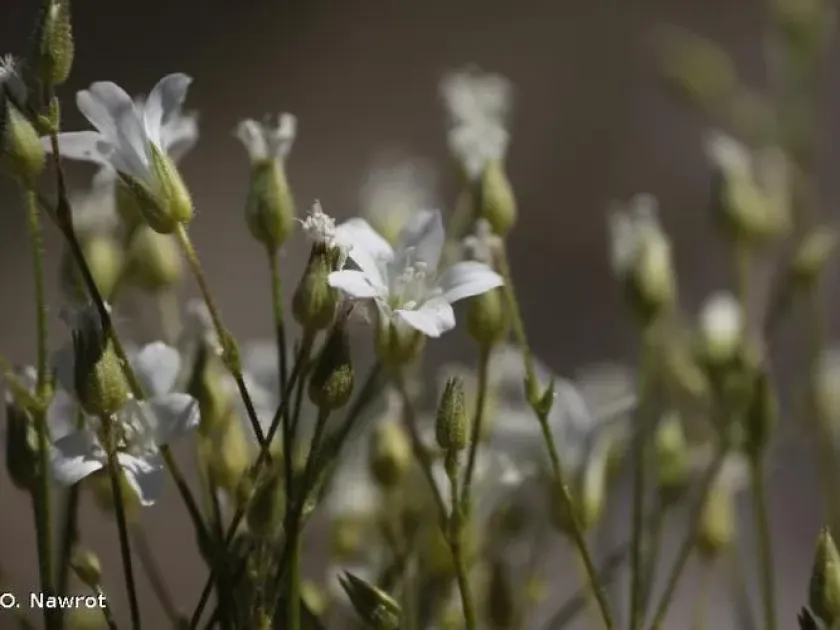
Description
Growing requirements
Minuartia villarsii is a perennial herbaceous plant belonging to the Caryophyllaceae family. It is native to the mountain ranges of Europe, where it thrives in rugged, high-altitude environments characterized by rocky slopes and thin soils.
The plant is known for its distinctive cushion-like habit, which helps it survive harsh climatic conditions. Its leaves are narrow and needle-like, effectively reducing transpiration and helping the plant retain moisture during dry periods.
Soil requirements for this crop are specific: it strictly requires well-drained, sandy, or gravelly soils. The presence of limestone in the substrate is beneficial, reflecting its natural habitat conditions. Poor drainage is the most significant risk to the plant's survival.
Climatic preferences include full sun exposure, as the species is highly adapted to bright light. It is remarkably winter-hardy and can withstand the significant temperature fluctuations common in mountain ecosystems.
Agricultural management is minimal, focusing on maintaining the site's alkalinity and drainage. Over-fertilization should be strictly avoided, as it can lead to succulent growth that is more susceptible to disease and winter damage.
Main diseases and pests
Root rot is the most prevalent threat to Minuartia villarsii, typically triggered by improper soil moisture management or poor drainage systems. Maintaining a dry neck area is crucial for long-term health.
Spider mites represent a common pest threat, particularly during prolonged periods of hot and dry weather. Early detection and treatment with appropriate acaricides are essential for preserving the plant's aesthetic appeal.
Fungal infections can occur if there is poor air circulation around the plants. It is important to avoid overcrowding the plantings and to ensure that air moves freely across the foliage.
Chlorosis may occur if the soil pH becomes too acidic. Monitoring soil chemistry is a recommended practice to ensure the environment remains suitable for this calciphilous species.
Physical damage from slugs and snails can occasionally affect the young growth during wet spring weather, requiring protective measures such as physical barriers or biological controls.