
Minuartia baldaccii
Minuartia baldaccii
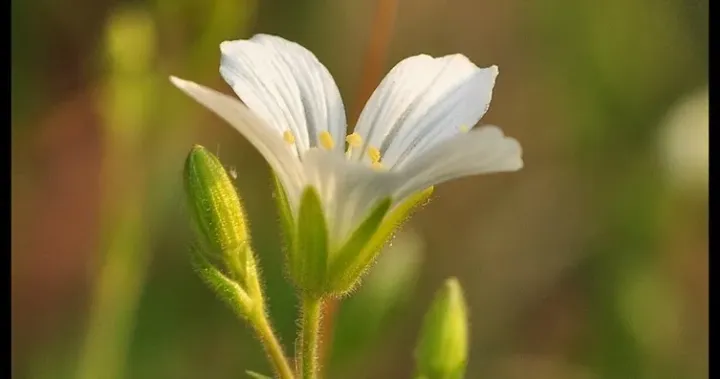
Description
Growing requirements
Minuartia baldaccii is a perennial herbaceous plant belonging to the Caryophyllaceae family. Naturally occurring in the Balkan region, this species is well-adapted to high-altitude rocky environments where it thrives in crevices and on thin, stony soils.
Botanically, the plant forms dense, cushion-like mats. This growth habit is a survival strategy, allowing the plant to retain heat, minimize water loss due to winds, and protect its root system from extreme temperature fluctuations characteristic of alpine regions.
In terms of soil requirements, this culture demands excellent drainage. A substrate composed of sandy soil, fine gravel, and crushed limestone is essential to prevent root asphyxiation. The plant shows a preference for alkaline or neutral soil pH levels.
The climate requirements involve high light intensity and cool temperatures during the active growing phase. Providing adequate ventilation is critical, as stagnant, humid air is detrimental to the structural health of the cushion forms, potentially causing internal dieback.
Regarding horticultural use, Minuartia baldaccii is primarily cultivated in rock gardens, scree beds, or specialized containers. It is appreciated by collectors for its compact size, delicate flowers, and its ability to maintain a neat appearance throughout the year.
Main diseases and pests
The main threats to this species are fungal pathogens encouraged by excessive humidity. Diseases such as root rot and stem decay are common in poorly drained substrates, necessitating careful control of irrigation frequency and volume.
Pests that commonly affect alpine plants, including spider mites and aphids, pose a risk during warmer months. These pests can rapidly colonize the dense foliage, extracting plant juices and reducing the overall vigor and aesthetic appeal of the plant.
Effective pest management involves regular visual inspections of the cushions, especially during periods of drought. If an infestation is detected, physical removal or the use of targeted systemic treatments is recommended to mitigate the impact.
Environmental stress, particularly excess moisture during the dormant winter season, is the most common cause of plant failure. Protecting the plant from direct precipitation while allowing natural winter cold is essential for longevity.
By maintaining a clean growing area and ensuring that no debris accumulates within the plant cushions, growers can significantly reduce the risk of disease spread and keep the culture healthy throughout its life cycle.