
Anatolian sandwort
Minuartia anatolica
Description
Growing requirements
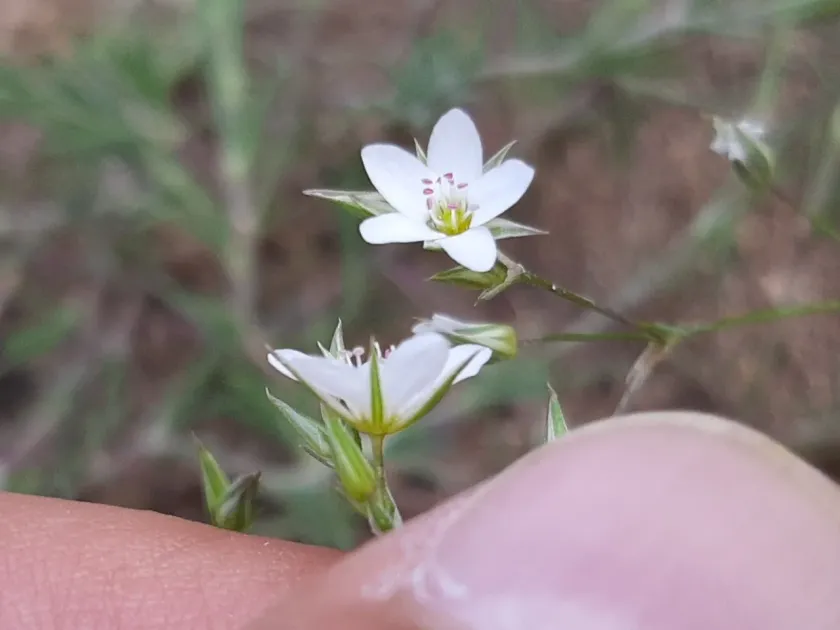
Anatolian sandwort (Minuartia anatolica) is a perennial herbaceous plant belonging to the Caryophyllaceae family. Its native range is primarily located in the rocky and mountainous regions of Anatolia, where it has adapted to harsh environmental conditions.
This species is characterized by a low-growing, cushion-forming habit. Its foliage forms dense, carpet-like mats, which makes it highly valued for its neat appearance and ability to withstand extreme physical environments in its natural habitat.
The cultivation of Minuartia anatolica requires well-drained, gritty or sandy soils. It is essential to ensure that the site is free of standing water, as the plant is highly susceptible to root decay if subjected to prolonged moisture in the soil substrate.
The plant demands full sun exposure to thrive and maintain its compact, mound-like structure. It is extremely hardy, tolerating low nutrient content in the soil, which makes it an excellent candidate for specialized rock gardens and xeriscaping projects.
In ornamental horticulture, Anatolian sandwort is primarily used for its aesthetic appeal in alpine gardens. It effectively colonizes small spaces between rocks, providing a lush texture that effectively suppresses weed growth in its vicinity.
Main diseases and pests
The most common issues affecting this crop are fungal diseases triggered by poor ventilation and excess moisture. Root rot is the primary cause of plant failure, often occurring in poorly drained or overly dense soil mixes during wet seasons.
Insect pests are generally not a major concern for this resilient plant. However, gardeners should monitor for common pests such as aphids or spider mites during periods of extreme heat, ensuring quick intervention if colonies appear on the foliage.