
Minuartia rubra
Minuartia rubra
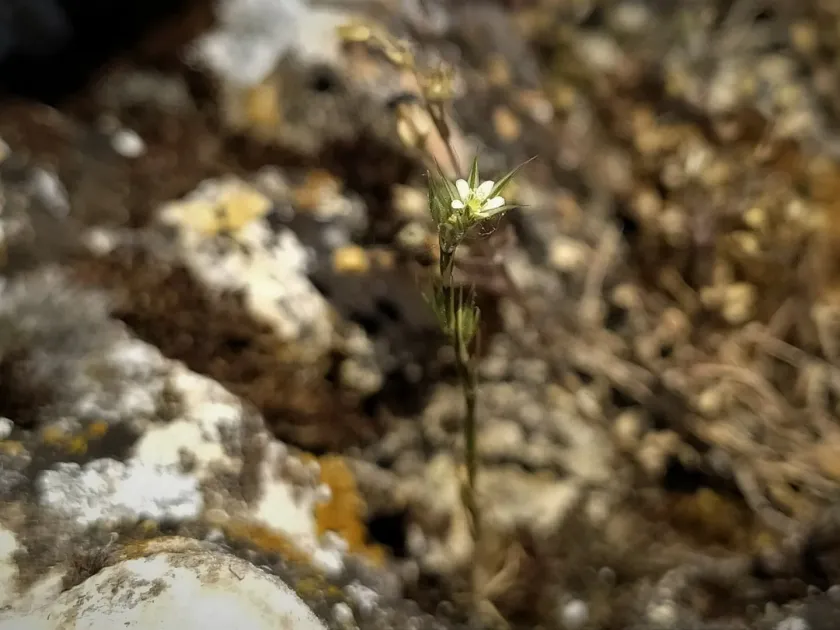
Description
Sowing dates
Minuartia rubra, a member of the Caryophyllaceae family, is typically sown in early spring. The ideal time is when soil temperatures are stable, allowing for steady germination of the small seeds.
Seeds are broadcasted on the soil surface, as they require light to germinate. Covering them with a very thin layer of sand helps prevent them from being blown away while allowing optimal light exposure.
Autumn sowing is an alternative in mild climates. The cold winter temperatures act as a natural stratification process, which often leads to stronger seedlings when spring arrives.
If started indoors, seeds should be sown in containers filled with well-draining grit. This prevents damping-off issues that commonly occur in heavy, water-retentive mediums.
The spacing should be optimized to allow the plants to spread effectively. A consistent watering schedule during the establishment phase is essential for long-term success.
Growing requirements
This species thrives in well-draining, sandy soils. It is highly intolerant of wet, boggy conditions, which can quickly lead to root decay and overall plant failure.
Sunlight is the primary requirement for healthy growth. Minuartia rubra should be placed in full sun to maintain its compact, cushion-like habit and ensure vigorous development.
The ideal soil pH is neutral or slightly alkaline. The plant is well-adapted to rocky, nutrient-poor soils, making it an excellent candidate for rock gardens and xeriscaping projects.
While the plant is drought-tolerant once established, supplemental irrigation may be required during extreme summer heatwaves to maintain foliage color and vitality.
In terms of temperature, it is frost-hardy, provided the soil drainage is adequate. Excess water during freezing temperatures causes significant damage to the root system.
Main diseases and pests
Root rot is the most common threat, usually caused by overwatering or poor soil drainage. Maintaining a dry, well-aerated root zone is the most effective preventative measure.
Powdery mildew can affect the foliage during periods of high humidity and poor air circulation. Thinning out the plants improves airflow and reduces the risk of infection.
Aphids can occasionally target the succulent foliage. Early detection and the use of targeted insecticidal soaps are usually sufficient to control these infestations.
Spider mites are common in drier, hot conditions. If the plant shows signs of yellowing or fine webbing, immediate treatment with an acaricide is recommended.
General fungal leaf spots may occur in crowded plantings. Ensuring proper spacing and keeping the foliage dry helps maintain overall plant health and appearance.