
Juniper-leaved sandwort
Minuartia juniperina
Description
Growing requirements
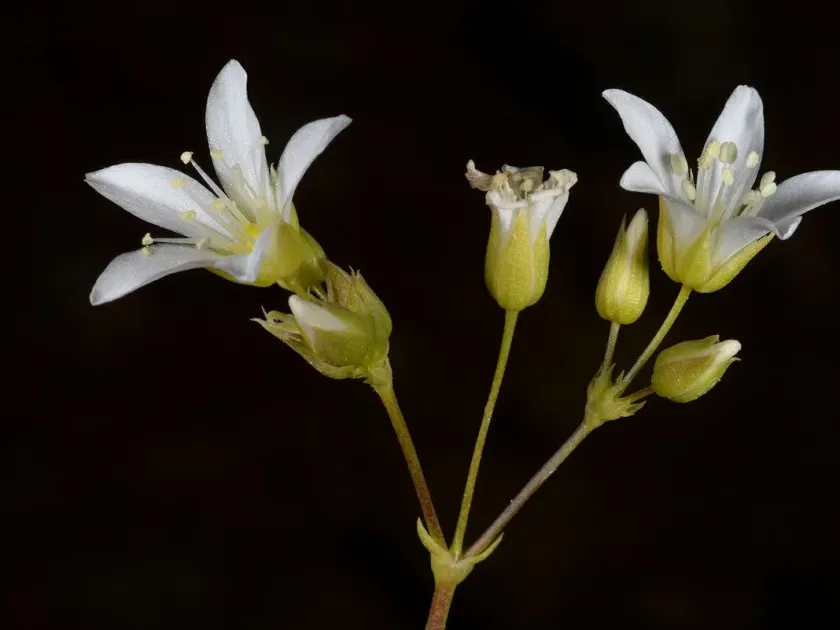
Minuartia juniperina, commonly known as juniper-leaved sandwort, is a perennial herbaceous plant within the Caryophyllaceae family. It forms dense, mat-forming cushions with needle-like leaves, providing a distinct texture reminiscent of coniferous plants.
The plant originates from the mountainous regions of Southeastern Europe, the Caucasus, and Turkey. It has evolved to thrive in rocky environments, limestone screes, and alpine cliffs, which indicates its high adaptability to nutrient-poor and gritty substrates.
Successful cultivation requires a location with full exposure to sunlight. The soil must be exceptionally well-draining, consisting of a mix of sand, gravel, and organic matter, as the plant is highly susceptible to root decay in stagnant water conditions.
As a xerophytic species, this plant is well-suited for rock gardens, gravel beds, and crevice plantings. It performs best in neutral to slightly alkaline pH soils, mirroring its natural ecological niche where mineral substrate prevails.
The cultural use of this species focuses on its aesthetic value as a groundcover. Its ability to withstand harsh weather conditions makes it an excellent choice for low-maintenance landscaping, provided that the soil drainage is effectively managed.
Main diseases and pests
The primary threats to Minuartia juniperina involve fungal infections, specifically root and crown rots caused by excessive soil moisture. These pathogens can rapidly destroy the tight, mat-like growth habit of the plant if drainage is inadequate.
While the plant is generally pest-resistant, environmental stress from improper watering or poor air circulation can attract aphids or spider mites. Regular inspections are advised to catch potential infestations before they escalate.
Disease management centers on preventing moisture accumulation at the base of the plant. Ensuring that the foliage stays dry and the planting site is well-ventilated is essential to minimize the risk of mildew and fungal blotches.
Cultural sanitation is vital for preventing disease cycles. This includes carefully removing dead foliage from the center of the cushions to allow air to pass through, especially before the dormant winter season when moisture can lead to decay.
In cases of confirmed infection, targeted use of fungicides can provide control. However, chemical applications should be secondary to correcting the environmental factors that promoted the disease, such as poor drainage or over-watering.