
Minuartia glomerata
Minuartia glomerata
Description
Growing requirements
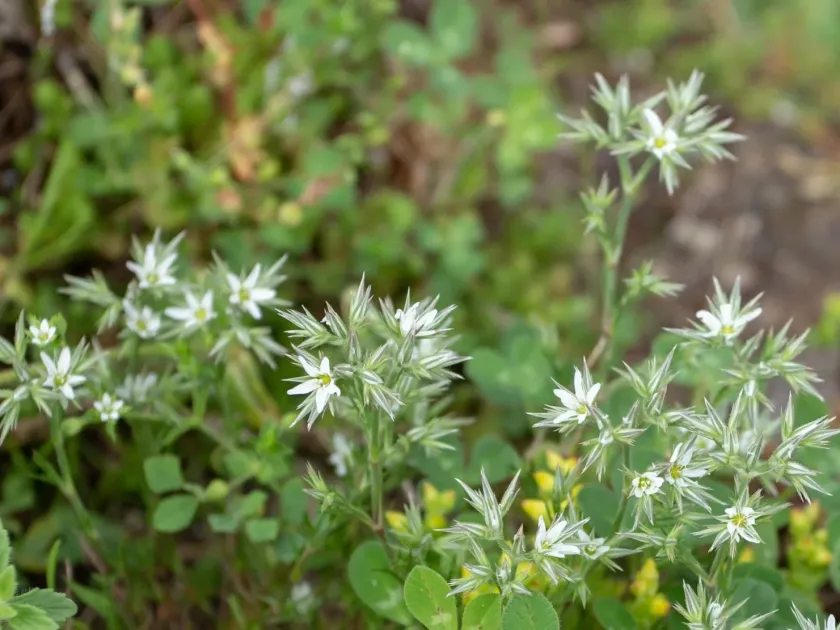
Minuartia glomerata is a herbaceous perennial belonging to the Caryophyllaceae family. Naturally found in steppe and rocky regions, it is a hardy plant capable of surviving in diverse and often harsh environmental conditions across its native European and Asian ranges.
The plant exhibits high adaptability to dry, nutrient-poor, and stony soils. It thrives in well-drained substrates with a neutral to slightly alkaline reaction, making it an excellent candidate for marginal lands where traditional crops struggle to establish.
Cultivation requires full sun exposure to maintain the plant's characteristic compact growth habit. Unlike moisture-loving crops, Minuartia glomerata does not require extensive irrigation and is particularly sensitive to stagnant water at its root zone.
Agronomic management should focus on soil structure maintenance. While the plant is slow-growing initially, it becomes quite resilient once established. Minimal weeding is necessary once a dense ground cover has been achieved to suppress competing vegetation.
Agricultural use is primarily focused on environmental restoration, soil erosion control on steep slopes, and as a niche ornamental groundcover. Its ability to thrive without chemical inputs makes it a sustainable choice for specific landscaping and restoration projects.
Main diseases and pests
The primary threats to Minuartia glomerata are related to moisture management. Fungal infections, specifically root rot pathogens such as Fusarium species, can rapidly cause plant mortality if drainage is compromised or humidity levels are too high.
Pests typical for this species include leaf-eating caterpillars and aphids. These insects can cause significant damage during the active growing season, reducing the overall photosynthetic surface area and vitality of the crop.
Integrated pest management strategies are recommended, emphasizing cultural control such as selecting well-ventilated planting sites and avoiding overcrowding. These practices reduce the microclimatic humidity that favors fungal development.
Monitoring for pest outbreaks should be consistent throughout the spring and summer. Early detection allows for targeted, small-scale interventions, which are more effective than systemic chemical treatments for this type of perennial.
Proper sanitation of the field, including the removal of dead or diseased plant material, is essential to prevent the overwintering of pathogens. Maintaining ecological balance helps natural predators keep pest populations below economic threshold levels.