
Minuartia dichotoma
Minuartia dichotoma
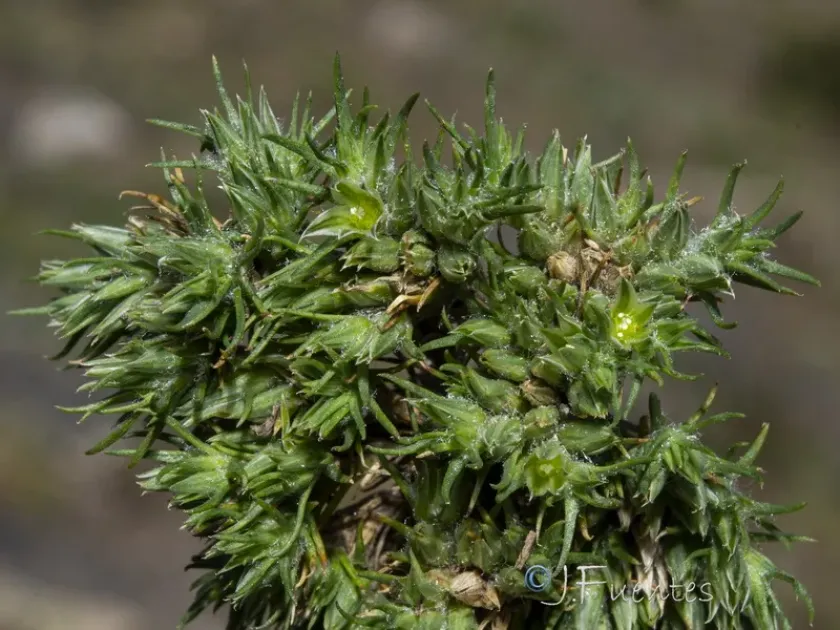
Description
Growing requirements
Minuartia dichotoma is a distinctive annual plant belonging to the Caryophyllaceae family. The plant is well-known for its systematic, dichotomous branching pattern, which serves as a primary morphological feature for its taxonomic identification.
The native distribution of this species is primarily focused on the arid and rocky terrains of the Mediterranean region. It is highly adapted to environments characterized by significant fluctuations in moisture and nutrient availability in the substrate.
The plant thrives in well-drained, porous soils, specifically preferring sandy or rocky compositions. It does not require high levels of organic matter, as it has evolved to colonize poor soils where competition from larger vegetation is minimal.
Adequate sunlight is the most significant requirement for Minuartia dichotoma, as it functions as a typical heliophyte. Insufficient solar exposure leads to stunted growth and a failure to produce the characteristic dichotomous floral structures.
In terms of agricultural management, the species is considered a low-input crop. Its requirements for irrigation are minimal, as the plant possesses xerophytic adaptations that allow it to withstand periods of low rainfall without significant yield loss.
Main diseases and pests
Root rot, primarily caused by excessive moisture and poor soil aeration, constitutes the most significant threat to the health of the plant. Maintaining optimal drainage is the primary defense strategy for growers to prevent these fungal infections.
Common agricultural pests, such as aphids and spider mites, can cause damage during prolonged dry spells. These pests target the stems and leaves, extracting nutrients and weakening the plant's ability to complete its reproductive cycle.
Weed competition poses a severe challenge during the early seedling stage. If left uncontrolled, weeds can easily outcompete the slow-growing Minuartia for available light and essential mineral resources in the soil.
Bacterial pathogens may enter the plant through tissue lesions caused by adverse weather conditions or accidental mechanical injury, potentially leading to localized necrosis of the vascular system.
To mitigate the risk of disease spread, it is advisable to remove debris and dead plant material from the field after the season. Implementing a strict sanitation protocol is essential for preserving the quality of the seed stock in subsequent cycles.