
Minuartia campestris
Minuartia campestris
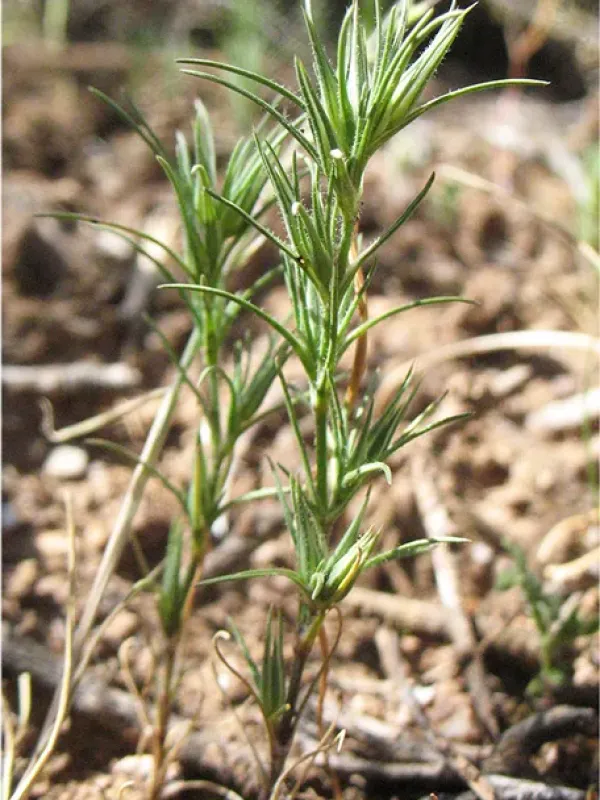
Description
Growing requirements
Minuartia campestris belongs to the Caryophyllaceae family and is recognized as a hardy herbaceous plant. It is primarily found in open fields and meadow environments, reflecting its natural preference for undisturbed ecosystems.
The plant demonstrates a strong requirement for high sunlight intensity. Being heliophilic, it thrives in environments where competition for light is low, which dictates its distribution in the wild and management practices in agricultural contexts.
Soil structure is a vital factor for the growth of Minuartia campestris. It prefers well-drained, sandy, or light loam soils that allow for rapid gas exchange in the rhizosphere, preventing the accumulation of excess moisture around the roots.
Regarding moisture levels, the species shows remarkable resilience to transient droughts, allowing it to survive in environments where many other crops would fail. However, it is highly sensitive to waterlogging, which often induces root rot.
The nutritional needs of the plant are relatively modest. It is an efficient user of nutrients in poor soils, which makes it a species of interest for marginal land restoration and potential erosion control projects.
Main diseases and pests
Fungal diseases constitute the primary threat to the stability of Minuartia campestris stands. Conditions of high humidity often trigger the development of rusts and leaf spots, which can significantly damage the photosynthetic capacity of the plant.
Insect pests such as aphids and specialized coleopterans pose a constant risk. These organisms feed on the developing tissues, leading to stunted growth and providing entry points for subsequent bacterial and fungal pathogens.
Root rot, driven by poor drainage or excessive soil compaction, is a major physiological threat. Once the root system is compromised, the plant becomes highly susceptible to environmental stress and opportunistic infections.
Competing weed species can easily overpower Minuartia campestris if the crop density is insufficient or if the environmental conditions favor invasive grasses. Proper management requires selective weeding or specific placement in the landscape.
- Integrated pest management strategies.
- Soil aeration to maintain health.
- Prevention of canopy closure by weeds.