
Micromeria varia
Micromeria varia
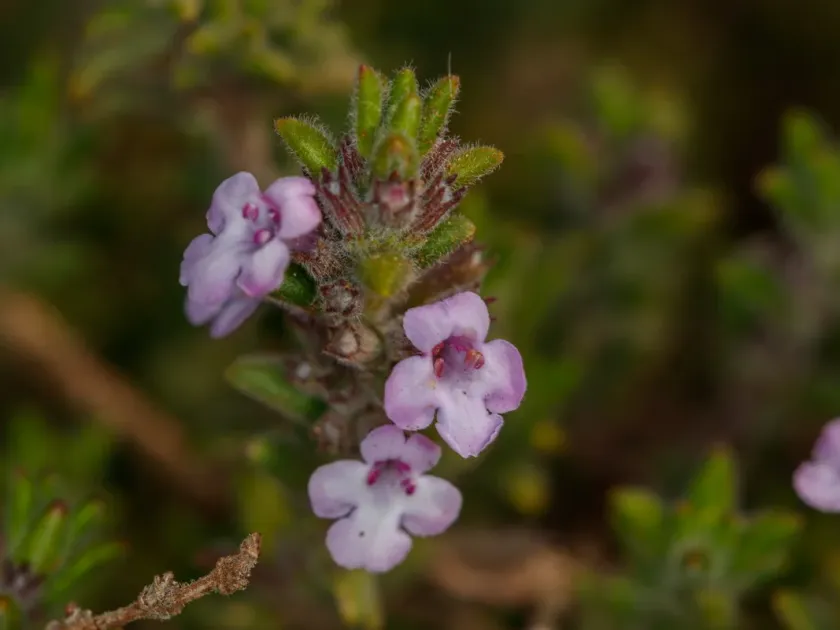
Description
Growing requirements
Micromeria varia is a perennial subshrub belonging to the Lamiaceae family, highly valued for its aromatic properties. Known for its resilience, this plant thrives in environments that mimic its native Mediterranean habitat, characterized by rocky terrain and intense solar radiation.
The plant requires well-drained, nutrient-poor soil with a neutral or slightly alkaline pH. It is an excellent choice for xeriscaping or agricultural production in arid regions where irrigation resources are limited, as it exhibits high drought tolerance once established.
Botanically, Micromeria varia features small, glandular leaves that secrete essential oils, providing a defense mechanism against intense heat. The flowers are typically arranged in small inflorescences, appearing throughout the growing season to support pollinators.
For successful cultivation, full sun exposure is non-negotiable. The plant is sensitive to frost and extreme humidity, requiring a climate that provides stable, warm growing conditions. Proper spacing is essential to ensure adequate airflow around the foliage.
Economically, this species is cultivated for the extraction of aromatic oils used in the food and beverage industry, as well as in herbal medicine. Its secondary metabolites contribute to antimicrobial properties, making it a sustainable choice for organic farming systems.
Main diseases and pests
The most significant threat to Micromeria varia plantations is root rot, primarily driven by excessive soil moisture and poor drainage. Ensuring the substrate does not remain waterlogged is the most effective preventative measure for long-term crop health.
Fungal diseases like powdery mildew can appear if humidity levels rise significantly without proper canopy ventilation. Maintaining proper plant spacing is crucial to minimize the microclimate humidity that favors these fungal pathogens.
Pests such as spider mites and aphids may infest the crop, especially during dry spells. These pests damage the foliage and can transmit viral agents, which negatively impact the yield and the quality of the essential oil profile.
Integrated Pest Management (IPM) is highly recommended for this crop. Encouraging natural predators, such as ladybugs and lacewings, helps keep aphid populations below the economic injury level without requiring chemical intervention.
Monitoring the plant's nutrient status and soil health is also critical. Over-fertilization, especially with nitrogen, can lead to lush, soft growth that is more susceptible to both pests and fungal outbreaks, so a balanced approach is vital.