
Micromeria croatica
Micromeria croatica
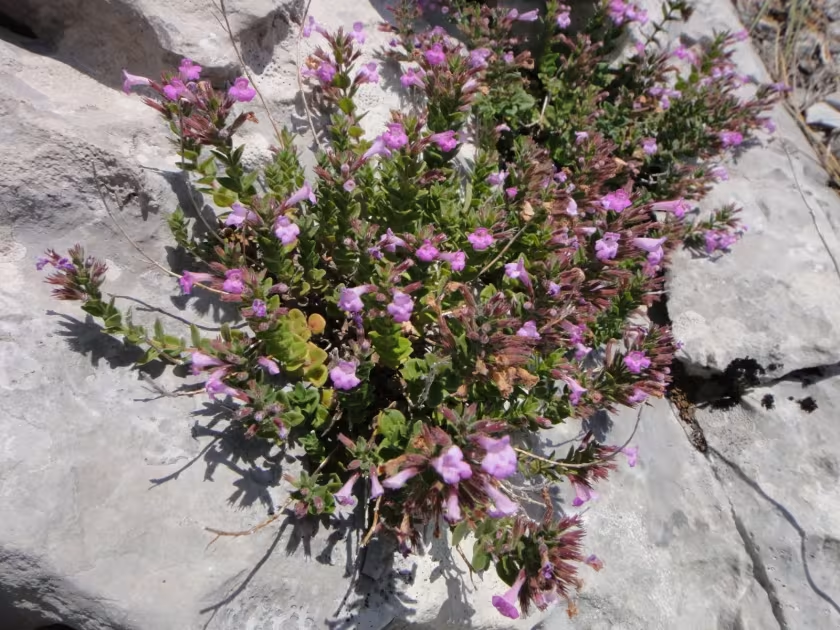
Description
Sowing dates
Micromeria croatica is a perennial herbaceous plant belonging to the Lamiaceae family. Seeds typically germinate during the spring when temperatures stabilize between 15 and 20 degrees Celsius.
When sowing, it is essential to consider the small size of the seeds. They require only a light covering of substrate to maintain moisture while allowing enough light for successful germination of this mountain species.
To ensure uniform emergence, keep the soil surface consistently moist but not waterlogged. Using seed trays for initial development simplifies management and significantly increases the establishment rate.
Once true leaves appear, seedlings should be thinned or pricked out to provide adequate space for root system development, which is critical for the long-term health of the plant.
Vegetative propagation is also highly successful. Cuttings or division of mature clumps are reliable methods for expanding the crop, ensuring consistent characteristics across the entire production area.
Growing requirements
The plant thrives in sunny locations with full light exposure, which is necessary to maximize the synthesis of essential oils. Shaded areas lead to spindly growth and poor aromatic quality.
Soil requirements focus on excellent drainage and a neutral to slightly alkaline pH. Loosely textured or rocky soils are ideal, as they replicate the plant's natural rocky limestone habitats.
Highly drought-tolerant, this species excels in regions with low summer rainfall. However, during the first growing season, consistent moisture is required until the root system is well-established.
Fertilization should be kept to a minimum, focusing on potassium and phosphorus to enhance tissue resilience before winter. Excessive nitrogen should be avoided as it reduces oil concentration.
Winter hardiness is excellent, provided the soil is well-drained. Avoiding waterlogging during spring snowmelt is the most important factor in preventing root damage in temperate climates.
Yield
Yield is determined by the biomass of stems and leaves harvested during the peak flowering period. Both fresh and dried products are valued in the pharmaceutical and gourmet culinary industries.
Optimal planting density is approximately 10 to 12 plants per square meter to ensure adequate airflow and uniform maturity. This density maximizes the usable biomass per unit area.
With proper pruning, multiple harvests can be achieved within a single season. Pruning stimulates the growth of new lateral shoots, which significantly increases the total seasonal yield.
Essential oil quality depends heavily on harvest timing and environmental conditions. Maximum sunlight throughout the season is essential for high levels of secondary metabolites.
Post-harvest processing, specifically rapid and low-temperature drying, is critical to preserve the integrity of the aromatic compounds and the market value of the final dried product.
Main diseases and pests
The greatest threat to this crop is poor drainage leading to root rot. Soils that remain saturated for long periods after rainfall must be amended to prevent fungal infections.
Aphids are the most common pests, often clustering on the tender growing tips. Integrated pest management using bio-pesticides is recommended to protect the essential oil profile.
Fungal pathogens like powdery mildew can occur if air circulation is poor. Proper spacing and proactive thinning of the plant canopy are the best defenses against these issues.
Weeds are strong competitors for light and nutrients. Regular weeding during the plant's initial development stage is mandatory to ensure the crop is not overtaken by aggressive weeds.
Soil-borne nematodes can occasionally affect the roots in long-term plantations. Rotating crops or monitoring the health of rootstocks during division is standard practice for long-term control.
Harvesting
Harvesting is performed at the peak of the flowering phase. This timing ensures the highest concentration of active compounds and the most potent aromatic profile for industrial processing.
Cutting should be done in the morning once the dew has evaporated. This practice prevents early spoilage and potential mold growth during the drying process.
Mechanical or manual harvesting uses a cutting height of 5–7 centimeters above the soil line, which protects the crown and allows the plant to regenerate effectively for future harvests.
Raw material must be transported in ventilated containers to prevent heating or fermentation. Proper handling directly impacts the quality of the essential oil extracted.
Drying occurs in shaded, well-ventilated facilities to avoid UV-induced degradation of the essential oils. This controlled environment maintains the herb's premium quality for market storage.