
Micromeria filiformis
Micromeria filiformis
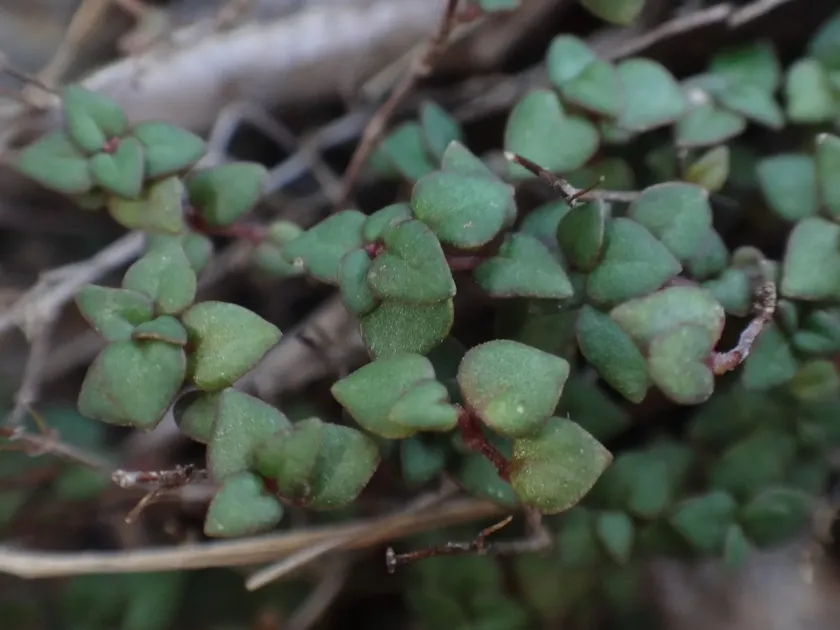
Description
Sowing dates
Micromeria filiformis is typically propagated by seeds or vegetative cuttings. For seed-based cultivation, start sowing in greenhouses during late March or early April to ensure strong seedling establishment.
Since the seeds are very fine, they should be surface-sown on a moist substrate and pressed gently without being buried. Maintaining high humidity under a cover is essential for successful germination.
Once the frost risk has passed, transplant seedlings into the field. Proper spacing of 25-30 cm is required to ensure adequate airflow and reduce the risk of fungal diseases.
Vegetative propagation using cuttings taken in early summer is also a very efficient method. This approach ensures uniformity across the plantation and allows for faster development compared to seeds.
When sowing directly into the field, ensure the soil is thoroughly prepared and warmed to at least 18-20°C to support rapid emergence and root development in the early growth stages.
Growing requirements
Belonging to the Lamiaceae family, this crop thrives in sunny locations. Exposure to direct sunlight is necessary to promote the synthesis of high-quality essential oils within the leaves.
Well-drained soil is non-negotiable for this species. It performs best in sandy or stony, nutrient-poor to moderately fertile soils that prevent waterlogging and root rot.
Micromeria filiformis is remarkably drought-tolerant, adapted to its Mediterranean origin. While it requires minimal irrigation, supplemental watering during prolonged dry spells can improve biomass production.
The plant does not tolerate high soil acidity or excessive nitrogen fertilization, which can diminish the aromatic profile. A balanced, organic approach is preferred for soil fertility management.
In regions with cold winters, protection or greenhouse cultivation is highly recommended. The crop is sensitive to prolonged freezing temperatures, which may affect its long-term survival.
Yield
The yield of Micromeria filiformis is measured by the total biomass of aromatic aerial parts. Productive harvests can be achieved starting from the second year of growth.
The most substantial yield is obtained during the peak of the flowering phase. Harvesting at this precise moment ensures that the plant has reached its maximum concentration of active ingredients.
Effective biomass management involves regular pruning after the initial harvest. This practice encourages secondary branching and significantly increases the output for subsequent seasonal cuttings.
Yield consistency relies heavily on plant density and field maintenance. Optimizing field conditions can lead to highly sustainable production cycles over several years.
Data indicates that a well-managed plantation, properly irrigated and weed-controlled, can produce consistent harvests for up to five years before requiring renewal.
Main diseases and pests
This crop is generally resistant to pests and diseases due to its strong aromatic profile. However, poor drainage is the primary cause of failure, leading to root pathogens.
Fungal issues, such as root and crown rot, are prevalent if soil moisture remains too high for extended periods. These conditions can rapidly compromise the integrity of the root system.
Aphids may infest young, succulent growth, especially in the spring. Spider mites can also become problematic during exceptionally hot and dry summer months.
Integrated pest management, including regular crop monitoring and sanitation, is the best strategy. Minimizing chemical intervention is crucial for maintaining the quality of herbal products.
Ensuring soil aeration and preventing overcrowding are the most effective preventive measures against the spread of potential pathogens within the herb field.
Harvesting
Harvesting should occur on a dry, sunny morning after the dew has evaporated. This ensures that the essential oil content is at its peak and the drying process will be efficient.
Using a sharp tool to harvest the stems, maintain a residual height of about 5–10 cm from the ground. This preserves the plant's ability to regenerate effectively for future harvests.
Immediate post-harvest processing is critical. Material should be transported to a drying facility without delay to prevent fermentation or loss of aromatic quality due to high heat.
Drying should take place in a shaded, well-ventilated environment at temperatures below 40°C. Avoid direct sun exposure, which can bleach the foliage and degrade essential oils.
Once dried, the product should be stored in opaque, airtight containers. Proper storage protects the final product from humidity, light, and oxidation, preserving its shelf life.